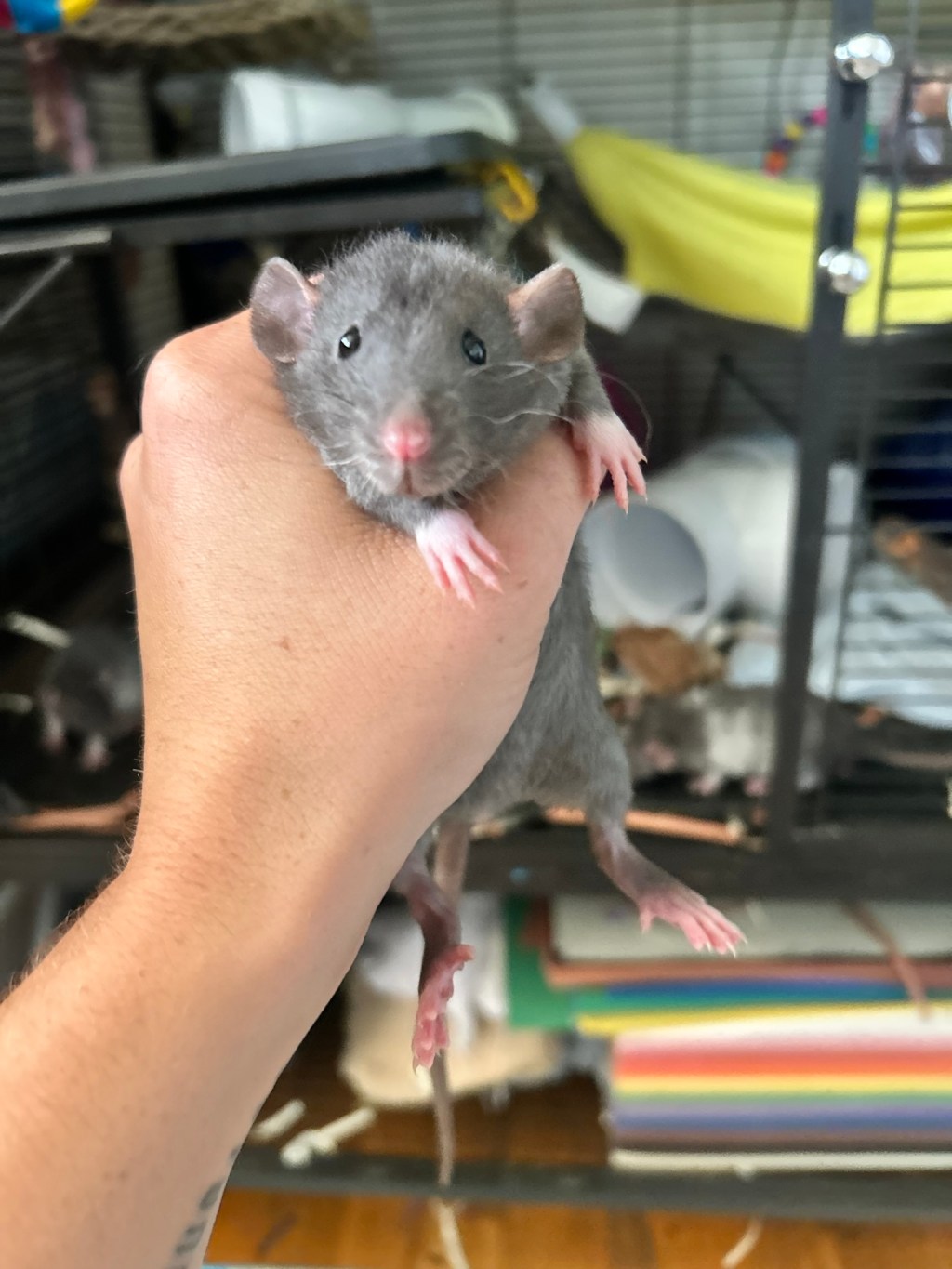
Most of the time, people are very excited to take their new rats home. Whether these rats are only five weeks old or five months old, rats are one of the easiest pets to adjust to. The most important thing to note would be the sniffles early on. You can plan on your rat sneezing for about one to two weeks regardless of your quarantine process. In this article, we will go over all of this.
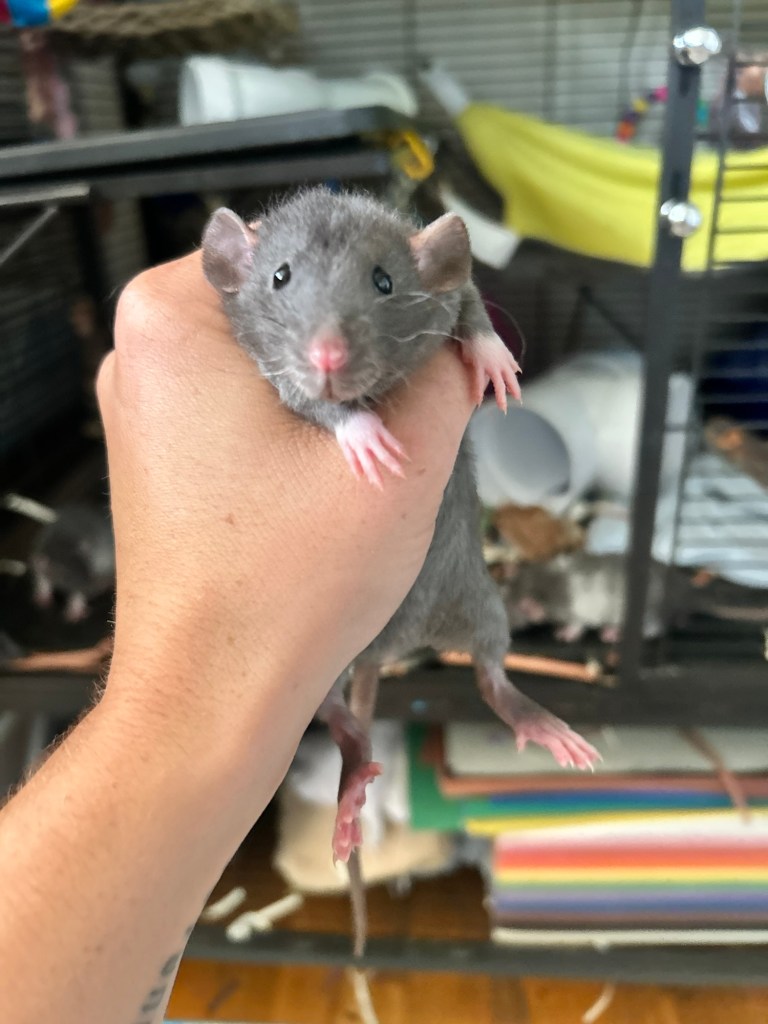
Arriving Home
This is the exciting part! And also, a bit nerve wracking. You’ve just taken on, most likely, more than one rat. Rats are empathic creatures and can react to your energy. So it’s important to stay positive.
With butterflies in the air, let your rats get comfortable in their new cage. They will want to know where home is, especially coming from a carrier.
Perhaps after they have had a drink, some food to nibble on or treats, and a small siesta, you can calmly interact with your rats.
Taking them out of the cage for beginning interactions is a good idea. Since they will be less likely to bite you over their new territory. Even if your rats don’t bite! It’s unkind to put them in that situation.
Instead, try sitting somewhere with them. Perhaps on a couch so they can roam around a little, get some sniffs in, and come running back to you!
Little sessions back and forth between yourself, or main care giver, and their cage can help build trust with both situations.
Unlike hamsters, they do not need a certain adjustment period. Rats are ready when you are to play, love, and roam!
Rats like to sleep upwards of 16 hours a day, so do not be alarmed if your rat is sleeping often. They are also known to be awake when you’re sleeping. So remember that if you’re planning to place the cage in someone’s bedroom.
Side note: never offer treats through the bars. Always open the cage door. This can help prevent them from biting fingers in the future.
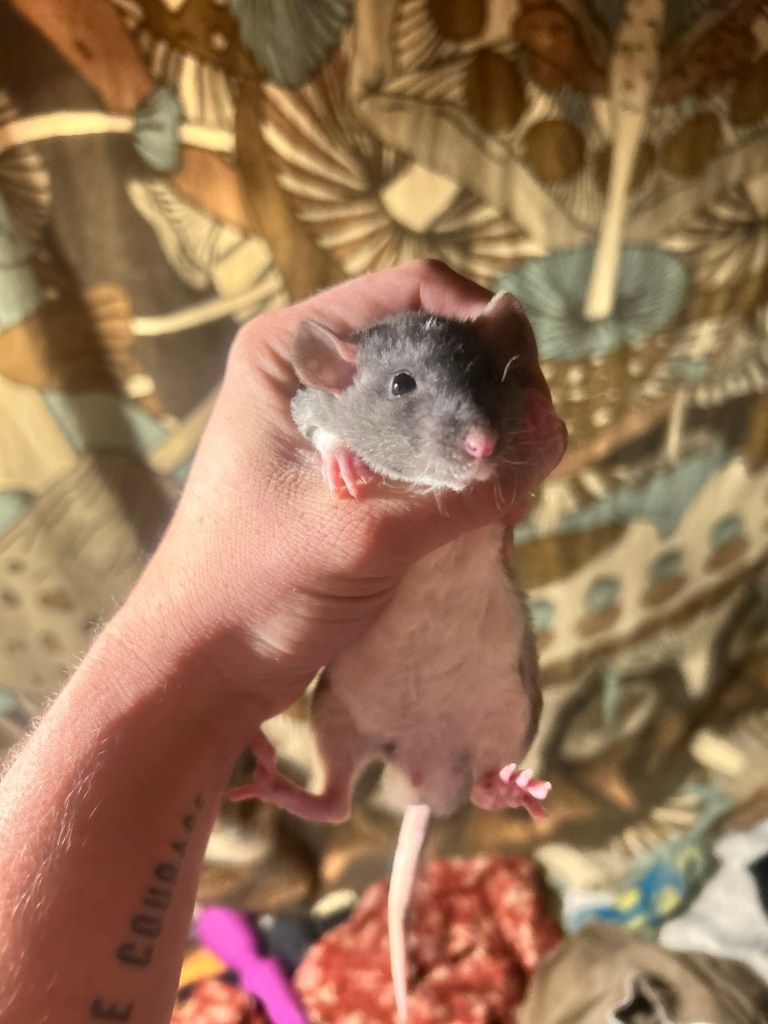
The Sniffles
What a vet told me once, was he sees the most rats the first one to two weeks they’re adopted. Because the rat is excessively sneezing!
Rats have very fragile respiratory systems. It is more than common, and OK for your rat to sneeze every once in a while. Especially at first. Often times, these are the leading causes of sneezing rats:
- Change in Environment
- Switching Laundry Detergent
- Excessive Fragrances (either from people or the environment)
- Smoke (do not smoke around your rats)
- Other Animals
Often, the sneezing will subside once the rat is acquainted with its atmosphere.
When It’s Serious
When should you go to the vet? If your rat is: wheezing, appears to be choking, excessive sneezing past two weeks accompanied by porphyrin (or red secretions from nose or eyes).
It is most likely an upper respiratory infection (URI). You will be prescribed antibiotics to give for one to several weeks.
How to Properly Quarantine
If you just adopted a new rat from a strange land, and you have previous rats in your family, you will most likely want to quarantine your rats.
There are several rules/recommendations before introducing new rats:
- You will want to wait three weeks. This gives the infection or virus time to properly shed itself. If the rat in question is showing any signs of illness, reset your three weeks back to the start.
- These weeks of quarantine can be long, which is why it’s always recommended to get two. Even if only for the quarantine time. As rats can become lonely quite quickly.
- The rats should not share an air space. Some viruses can travel through the air to infect other rats.
- Do not share toys.
- Start from cleanest and healthiest rat, to the quarantine rat when doing routine cleaning. Still be cautious to sanitize between rat handling of any kind.
- Quarantine is what you make it. It is very serious, but the standards may be hard to keep up with. Do your best and feel it out, and know you’re doing a good job as a rat parent.
- Even post-quarantine, events can happen. Don’t be alarmed if everyone gets sick right after introducing them, 3 weeks after quarantine, the stress of it all may cause a flair up of mycoplasma. Always use caution, anything can always happen.
- Really, make sure you get your rat from a reputable breeder or source. This will help ensure your quarantine is precautionary instead of necessary.
Additional Information:
You may notice that after your rat is done running up and down your arm that it itches and maybe even hurts a little bit this is not just because of their nails, but because of the urine underneath their nails, it’s that bacteria that is causing inflammation and discomfort. I’ve noticed that you do tend to get used to it however, if you’re suffering from it, try taking an allergy pill or washing the area really well when you’re done playing with your rats. Or even try taking shorter sessions, so you can clean in between!
You do not necessarily need to cut your rats nails, unless they grow very long and tend to chip.
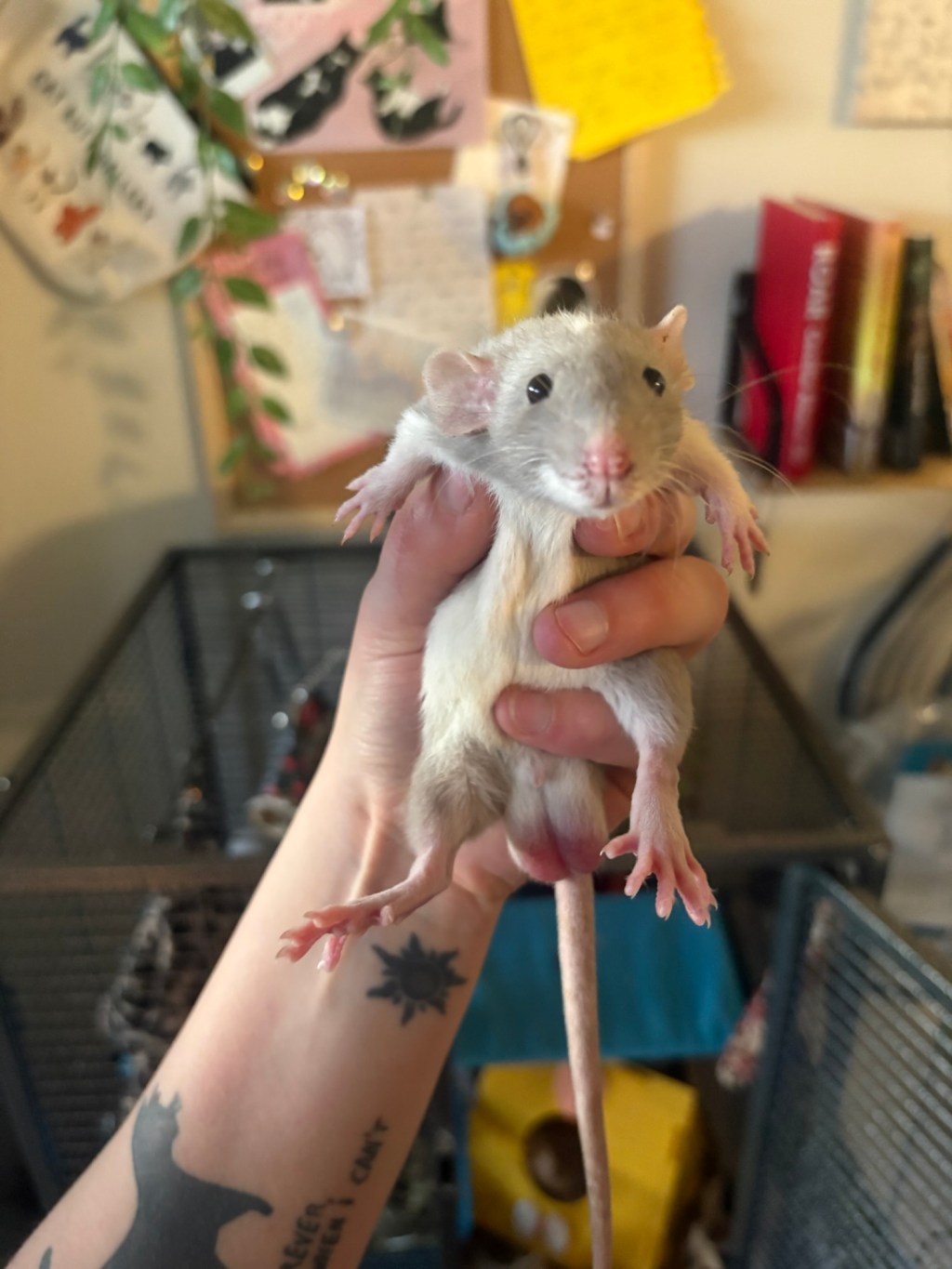

 The Rattery
Leave a comment