Grains:
Brown rice – Very well tolerated, easy to digest, and a staple grain for most rats.
Oats – Plain, unsweetened oats are excellent and provide good fiber. Steel-cut or rolled oats work well.
Barley – Safe and nutritious, though should be given in moderation as it’s calorie-dense.
Quinoa – Technically a seed but often grouped with grains, it’s very safe and protein-rich.
Millet – Small, easily digestible grain that most rats enjoy.
Plain wheat pasta – Cooked pasta (without sauce) is safe, though wheat can occasionally cause sensitivities in some rats.
Seeds:
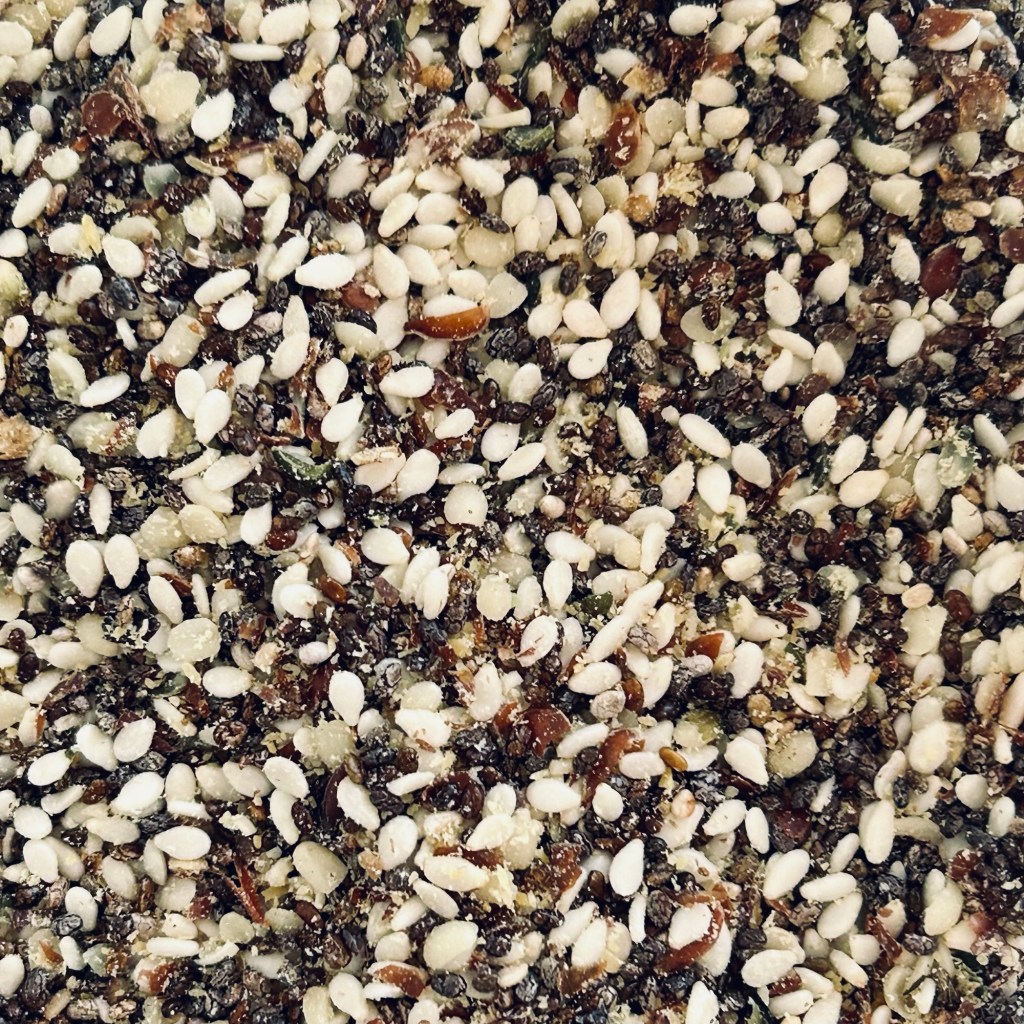
Sunflower seeds – Very safe but high in fat, so give sparingly as treats only.
Pumpkin seeds – Excellent and safe, can be given raw or roasted without salt.
Sesame seeds – Safe in small amounts, good source of calcium.
Flax seeds – Safe and nutritious, but only small amounts due to high fat content.
Ground flax seed – Easier to digest than whole flax seeds, safe in small amounts.
Chia seeds – Very safe and packed with nutrients, can be given regularly in small quantities.
Hemp hearts – Very safe and nutritious, good protein source, can be given regularly in small amounts.
Nuts:
Almonds – Very safe and well-tolerated, but only give a few pieces due to high fat content.
Walnuts – Safe and nutritious, excellent source of omega-3s, but limit to small portions.
Pecans – Safe but very high in fat, so only as occasional treats.
Hazelnuts – Safe and enjoyed by most rats, give sparingly.
Brazil nuts – Safe but extremely high in fat and selenium, so only tiny amounts very occasionally.
Cashews – Generally safe but should be unsalted and given sparingly due to high fat content.
Avoid all salted, flavored, or chocolate-covered nuts. Never give macadamia nuts (toxic) or any moldy nuts. All nuts are high in fat and calories, so they should only be given as occasional treats – think one small piece per rat, not daily. Fresh nuts are preferable to roasted when possible.
Legumes:
Lentils – Very safe, well-tolerated, can be given cooked or raw (though cooked is easier to digest).
Split peas – Safe and nutritious, best served cooked to aid digestion.
Chickpeas/Garbanzo beans – Safe when cooked, avoid raw as they’re harder to digest.
Black beans – Safe when fully cooked, never give raw or undercooked.
Pinto beans – Safe when properly cooked, good protein source.
Green peas – Fresh or frozen are safe, very well-tolerated by most rats.
Edamame – Safe when cooked and removed from pods.
All dried legumes (except lentils and split peas) should be thoroughly cooked before feeding, as raw beans can be difficult to digest or potentially harmful. Start with small amounts to test tolerance. Lentils and split peas are the gentlest options for rats new to legumes.
Other proteins:
Cooked chicken – Plain, unseasoned, and fully cooked. Remove bones and skin.
Cooked eggs – Hard-boiled or scrambled without butter/oil. Very safe and well-loved by rats.
Plain yogurt – Small amounts of unsweetened, plain yogurt are safe and provide probiotics.
Cooked fish – Plain, boneless fish like salmon or tuna (not canned in oil/salt).
Cottage cheese – Low-fat, plain cottage cheese in small amounts.
Tofu – Plain, firm tofu is safe and a good plant protein.
Cooked turkey – Plain, unseasoned, fully cooked without bones or skin.
Mealworms – Dried or live mealworms are safe and many rats enjoy them.
Crickets – Dried crickets from pet stores are safe protein treats.
Vegetables:
Broccoli – Excellent nutrition, very safe, most rats love it raw or lightly steamed.
Carrots – Safe, crunchy, good for dental health, can be given raw or cooked.
Bell peppers – Very safe, high in vitamin C, any color works well.
Peas – Fresh or frozen are excellent, sweet and well-tolerated.
Sweet potato – Very nutritious and safe, best served cooked.
Zucchini – Mild, safe, and hydrating, can be given raw.
Cucumber – Safe and hydrating, though not very nutritious.
Leafy greens – Romaine lettuce, spinach (small amounts), kale, and parsley are all safe.
Corn – Fresh corn kernels are safe and enjoyed by most rats.
Green beans – Fresh or lightly cooked, very safe.
Avoid onions, garlic, raw potatoes, and iceberg lettuce. Always wash vegetables thoroughly. Most vegetables can be given raw, but root vegetables like sweet potato are better cooked.
Fruits:
Apple – Very safe, remove seeds and core. Most rats love apples.
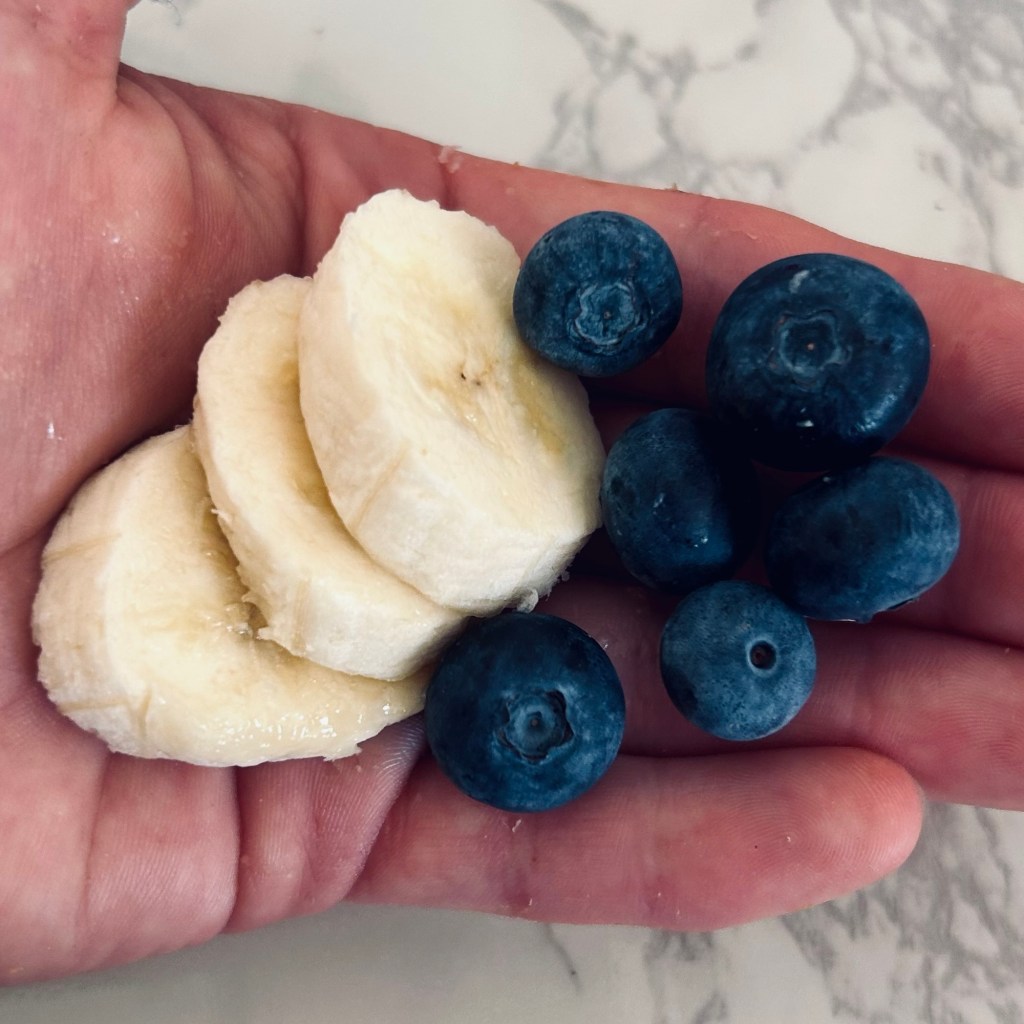
Banana – Excellent and safe, can include small pieces of peel. High in potassium.
Blueberries – Very safe, packed with antioxidants, perfect bite-size for rats.
Grapes – Safe but high in sugar, so give sparingly. Remove any seeds.
Strawberries – Safe and well-loved, remove green tops.
Melon – Cantaloupe and honeydew are safe and hydrating, remove seeds.
Pear – Safe when ripe, remove seeds and core like with apples.
Peach – Safe when ripe, remove pit. Small amounts due to sugar content.
Mango – Safe in small amounts, remove pit and skin.
Papaya – Very safe and good for digestion, remove seeds.
Always remove pits, large seeds, and stems. Citrus fruits should be avoided or given very sparingly as they can cause issues in male rats. All fruits are high in sugar, so they work best as occasional treats rather than daily foods.
Sweets:
Plain yogurt drops – Made specifically for small animals, available at pet stores.
Small pieces of dark chocolate – Tiny amounts only, dark chocolate is safer than milk chocolate but still high in fat.
Honey – Very small amounts on occasion, but avoid for baby rats.
Dried fruits – Unsweetened dried banana, apple, or papaya in very small pieces.
Frozen fruit pieces – Frozen blueberries or small banana chunks make refreshing treats.
Plain cheerios or similar unsweetened cereals – Though technically not sweet, many rats enjoy the crunch.
Carob chips – Safer chocolate alternative, but still give sparingly.
Most commercial sweets, candy, and chocolate are too high in sugar, fat, or contain harmful ingredients. Rats don’t need much sugar in their diet, so sweet treats should be very occasional and in tiny portions. Fresh fruits are generally the healthiest “sweet” option for regular treats. Always avoid anything with artificial sweeteners, especially xylitol, which is toxic to rats.
Liquids:
Fresh water – The primary and most important liquid. Should always be available in a clean bottle or bowl.
Diluted fruit juice – Very small amounts of unsweetened, diluted apple or cranberry juice occasionally.
Bone broth – Plain, unsalted bone broth (chicken or beef) can be given as a treat.
Coconut water – Plain, unsweetened coconut water in small amounts.
Herbal teas – Cooled chamomile or mint tea (unsweetened) can be offered occasionally.
Rice water – The water left from cooking plain rice, cooled to room temperature.
Goat milk – Small amounts, better tolerated than cow’s milk for most rats.
Pedialyte – Unflavored electrolyte solution can help sick or dehydrated rats (consult vet first).
Avoid dairy milk (most rats are lactose intolerant), alcohol, caffeine, sugary drinks, and anything with artificial sweeteners. Water should make up 95% of their liquid intake. Other liquids should only be occasional treats or used medicinally under veterinary guidance. Always provide liquids at room temperature or slightly cool.




 The Rattery
Leave a comment