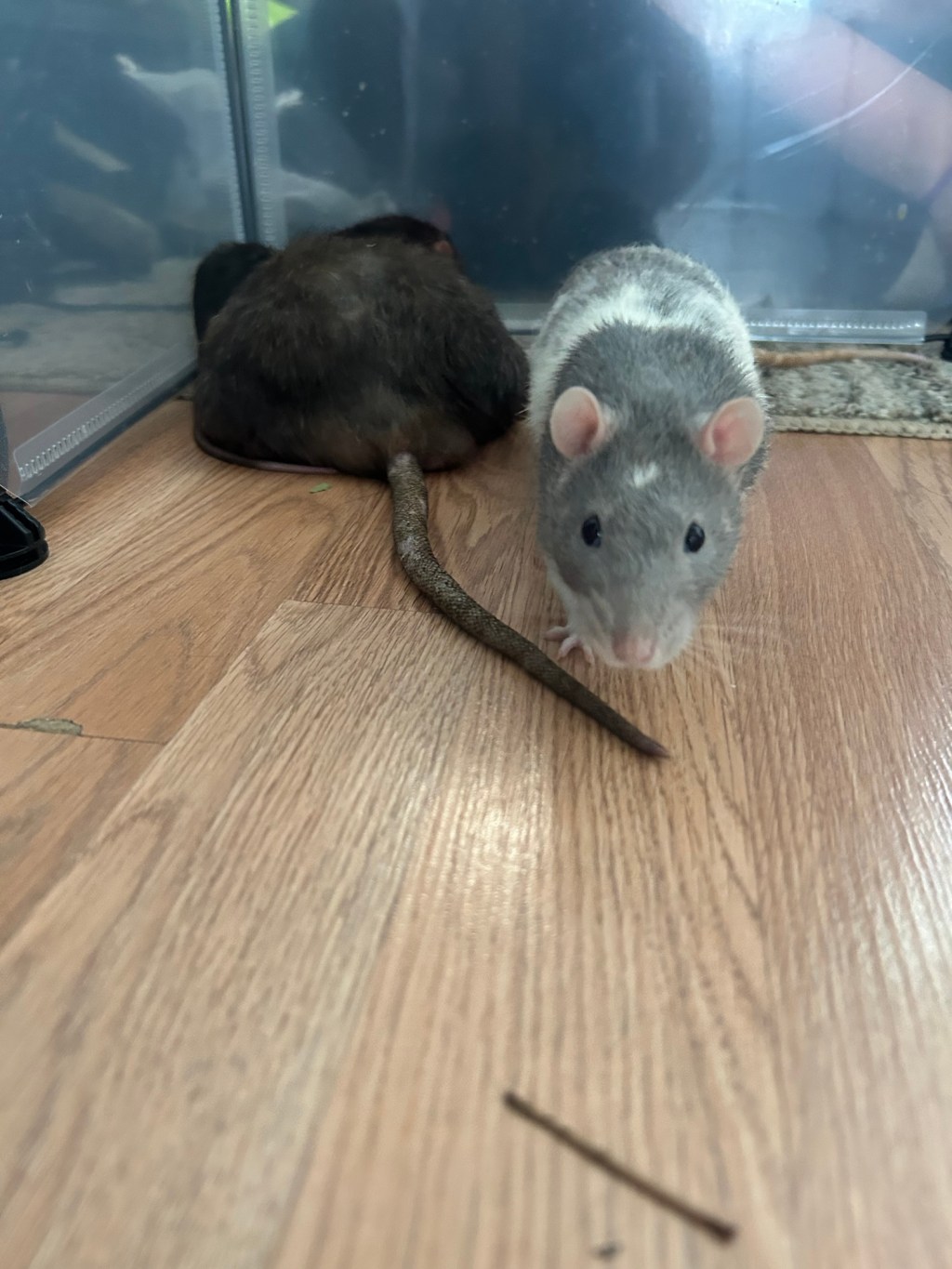
I get asked this question quite often, “how do I introduce my rats together?”
Well, there are several ways to go about it. The most obvious one and most dangerous for all parties:
Placing Them in the Same Cage
With this method, the likelihood of you getting bit increases to 100%. If the rats were to start fighting, they can be severely injured, and also, stuck in the cage, still being attacked. This is a terrible idea.
To remove the rat, use a towel or blanket. Throw it over one of the rats easiest to separate. You can attempt again, but not in a cage…
If you’re going to get bit this is the most likely time. Rat bite fever is real and known to exist in Colorado. If you get bit, it’s important to clean the area right away (using something like hydrogen peroxide).
Slow and Neutral
Pick a neutral ground for both rats. Usually a bathtub or bathroom works for this situation. Bring your rats together for introductions. Rats prefer to meet face to face to get a better understanding of one another.
If you have a plastic setup for free roaming, this may also work, too.
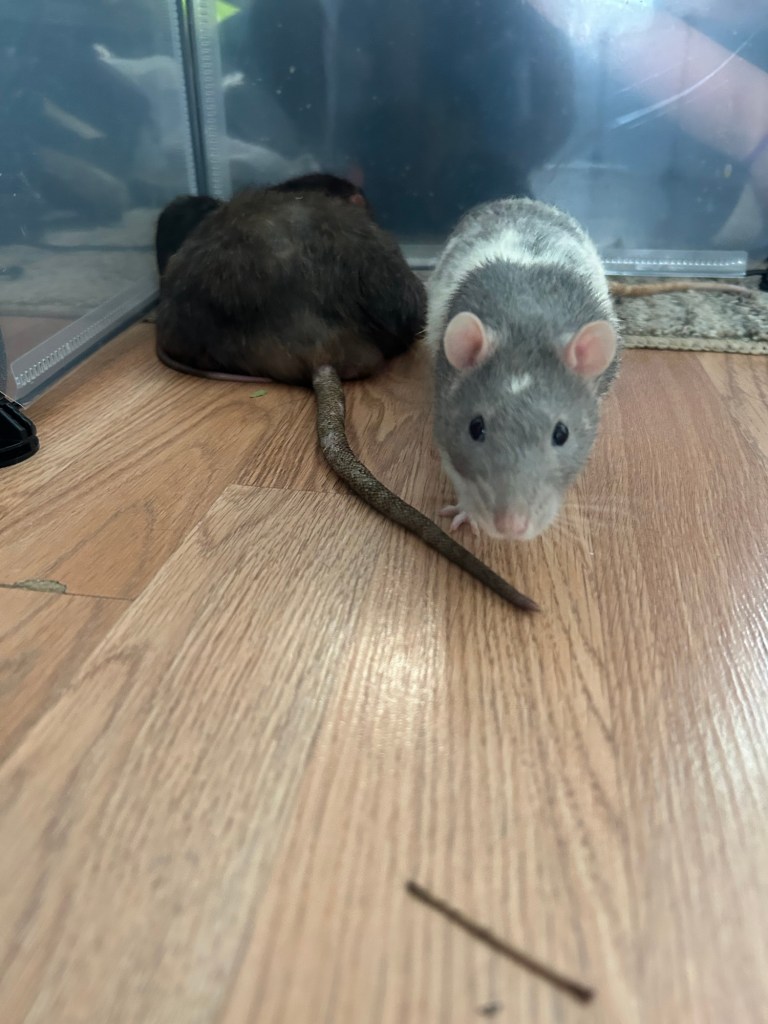
Rat introductions should feel easy. Remember rats are empathic and can feel your confidence, confusion, and unease. It’s important to set the right mood and be excited to introduce them.
THE MOST IMPORTANT THING: everyone is in a good headspace.
In my experience, rats tend to know right away if they are going to get along with another rat. If you see warning signs, but they seem to get along, you will need to keep a close eye on them for at least 48 hours once put together.
The most common reason rats do t get along is dominance. Usually the males have a harder time deciding if they like another male rat. Age, weight, and fertility can all play a factor. And they sense this, too.
If you see excessive grooming immediately, do not be alarmed, this is a sign of compassion from other rats. You will know if it’s too much grooming based on the squeaks and potential squeals.
When rats fight, it can look like two kangaroos in a basketball game. They will stand on their hind legs usually, and this is the first warning sign before a fight will break out. You can either remove them or give them some time to sort their feelings out. There will be a lot of butt bumping, like “keep away” as if there’s an invisible ball.
You may notice they use their hands to fight (often standing on their hind legs). This fighting style may taper out or turn ugly. It’s up to you to keep everyone safe during this meet and greet. If the vibe starts to turn, remove one and give it a minute or so break before reintroducing.
Like I mentioned, rats tend to get a quick feel on the other rat. It’s important you know the rats you are introducing. If you know your rat is a bit more aggressive, watch out for that.
If you know the two rats you are introducing are both sweethearts, you likely have nothing to worry about. As rats crave companionship and will want to be their friend in the end.
The Warning Signs:
- Standing on hind legs
- Using arms to fight
- You hear sounds that are warnings of aggression
The Warming Signs:
- Licking and grooming; may seem aggressive at first. That’s why it’s important to know your rats.
- Snuggling and cuddling; immediate warming up signs are not uncommon
- No aggression whatsoever. The rats get along swimmingly. You most likely have nothing to worry about.
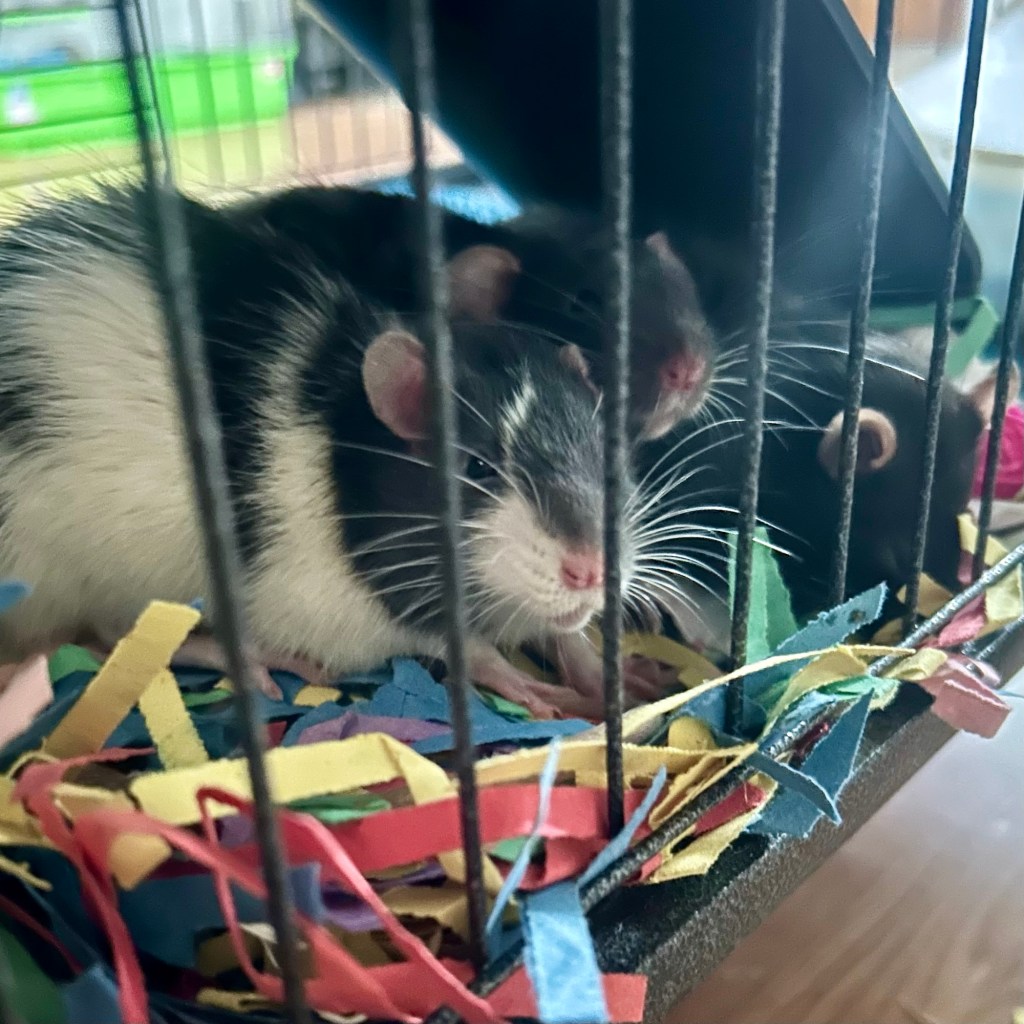
Remember, just because they get along instantaneously does not mean it will stay that way.
Common reasons for rat fights:
- Lack of food/nutrition; can become food territorial
- Territorial over cage, supplies, or toys.
- Dirty cage; if left uncleaned your rats will begin to tense up and fights can break out
- Lack of free roam time. Your rats need to get out of their cage and socialize with you. It’s important to their overall health and wellbeing.
Even rats that have been bonded since birth will occasionally fight, it’s often nothing to worry about. Check on the situation and separate them if necessary. Not everyone gets along 100% of the time, why wouldn’t it be the same with rats sometimes.
You don’t need a separate cage, though it could be useful. Just some time apart if the fighting is real and not playful or sometimes it’s necessary for their hierarchy to assess certain things. Just feel it out. And listen, use your ears to dictate how serious the fight is. Is someone in danger or is it more dicative?
Again, knowing and understanding the rats you are introducing and ultimately placing together is important. The first 48-hours is a good representation of how they will be. Rats are social creatures who crave relationships. Your rats will most likely be excited to be meeting one another, with licks and snugs.
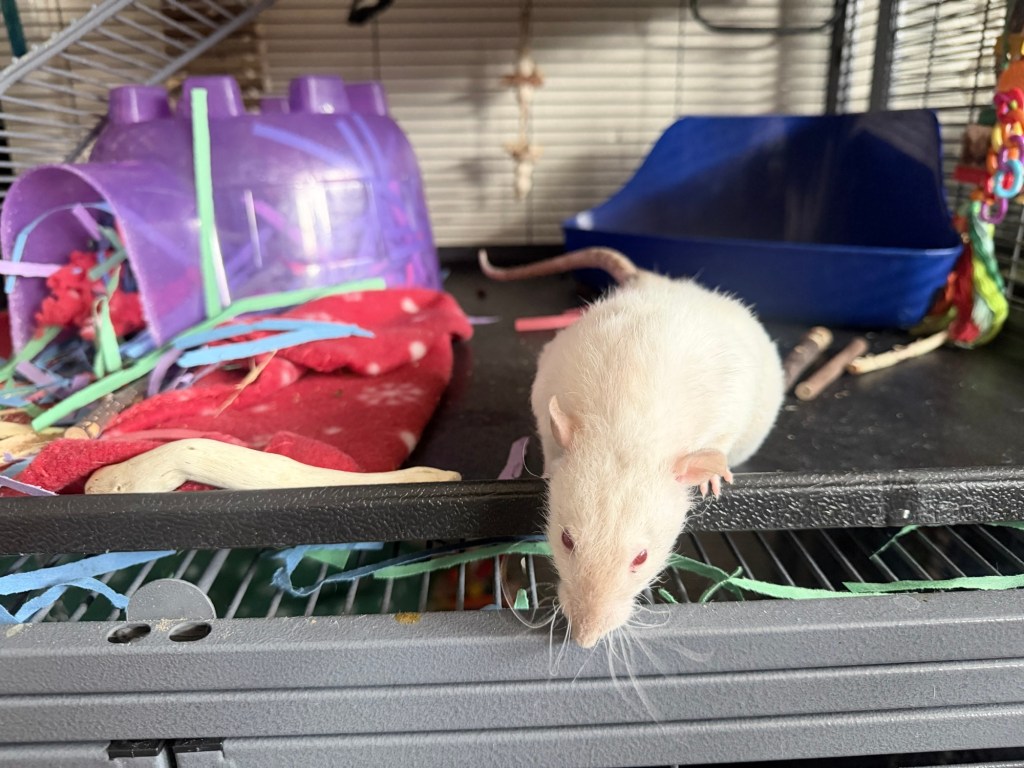

 The Rattery
Leave a comment