Stop asking yourself how and ask yourself when will I litter train my rats.
Where to Start
Chances are your rat already has picked out 1-3 spots in their cage.
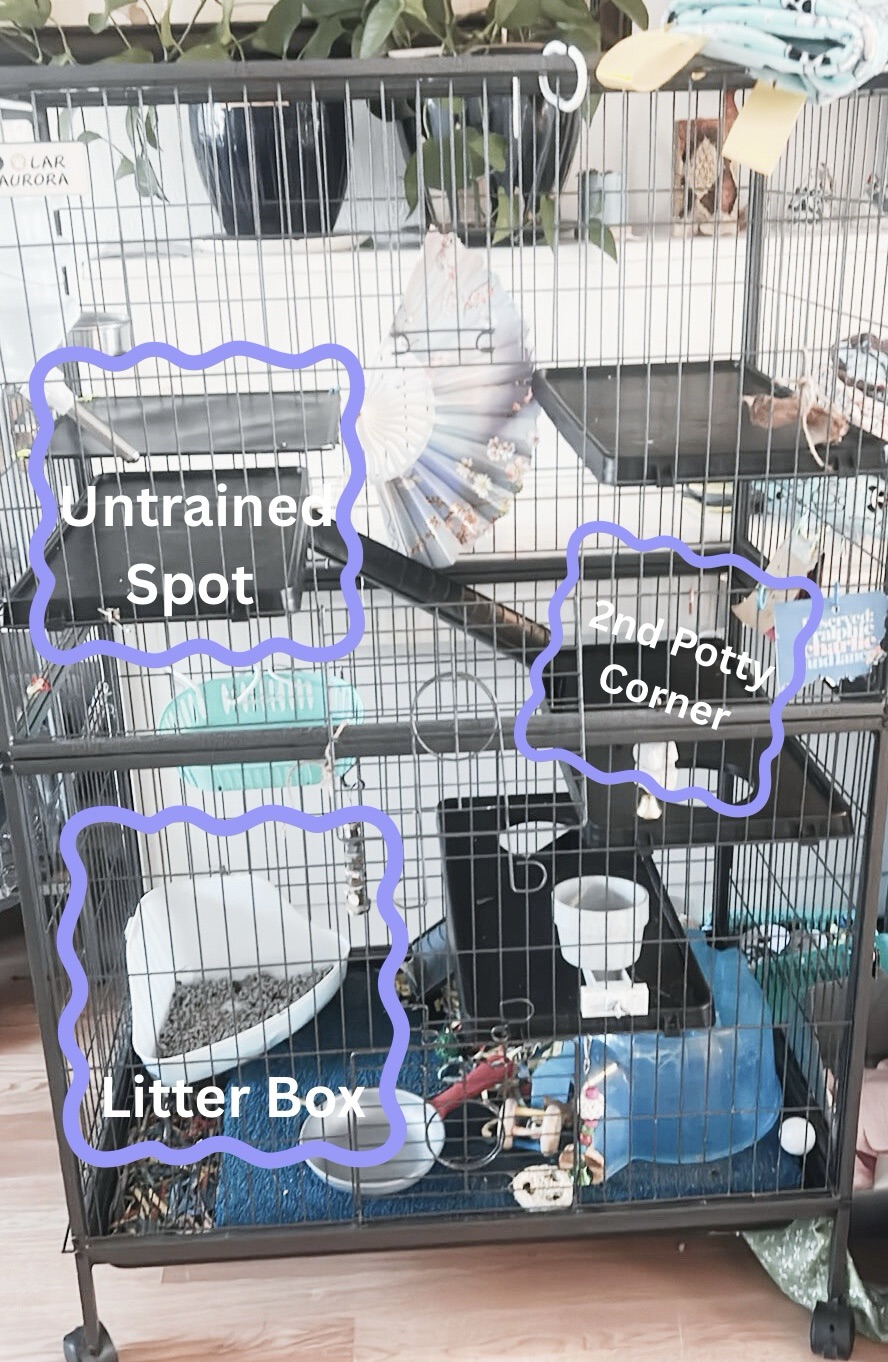
This can be dependent on age and temperament, so let’s say our rat is six months old with a good temper. He has most likely chosen a few spots he prefers in his cage. This is where you want to set up the litter boxes (at least to start).
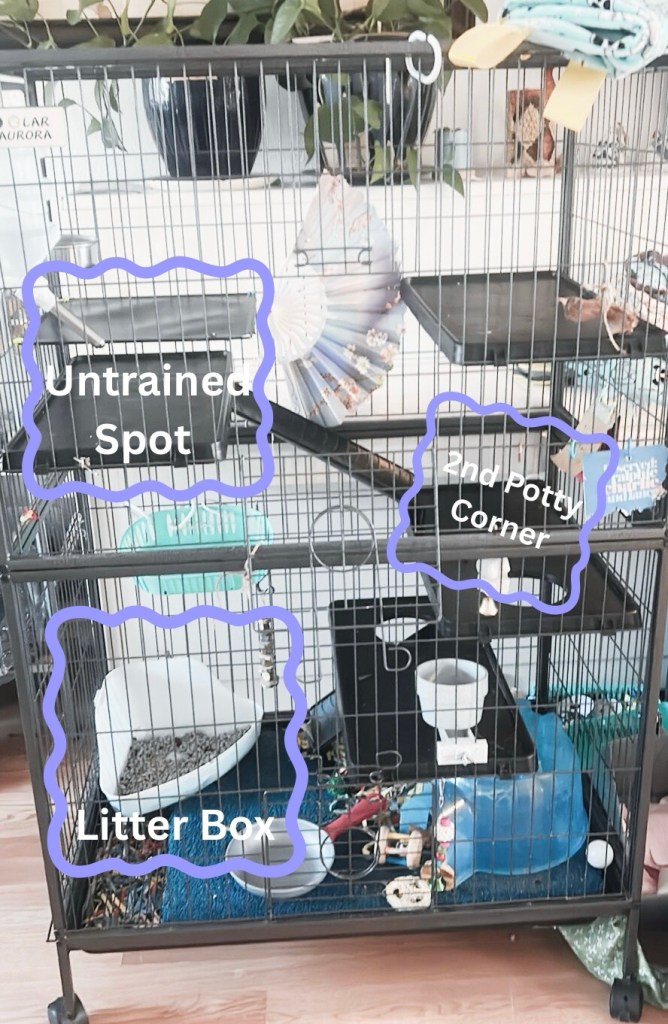
Example scenario: I’ve just introduced Bert to his new litter box. I placed it right in the same spot he always uses (the 2nd potty corner). I have placed one in that spot and a more formal one (Litter box) on the ground floor. He’s always been a little messy on the ground floor, so I’m hoping this litter box and pee rock combination will work.
After a week or so, I notice him using both the potty spots I’ve set up, but he is also going to the bathroom where his water bottle is (untrained spot). I’m worried I haven’t been changing the litter as frequently as I should be.
First, You’ll Need a Litter Pan
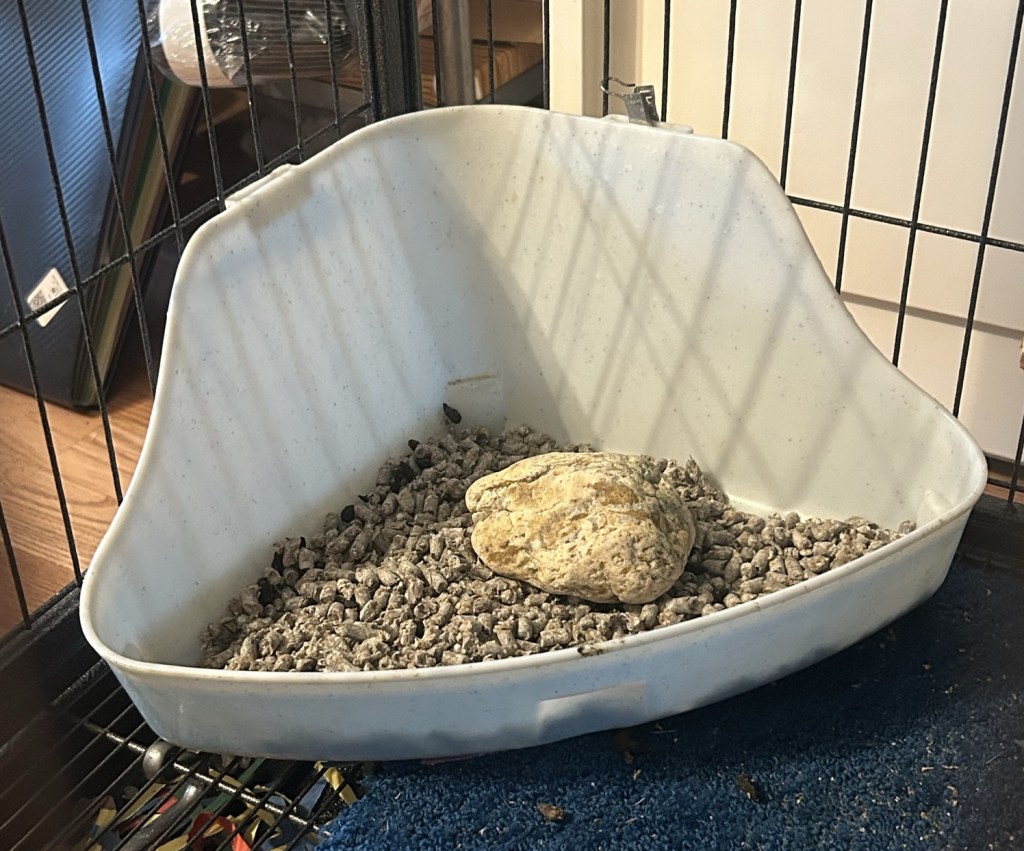
There are products you can use designed as litter boxes for rats:
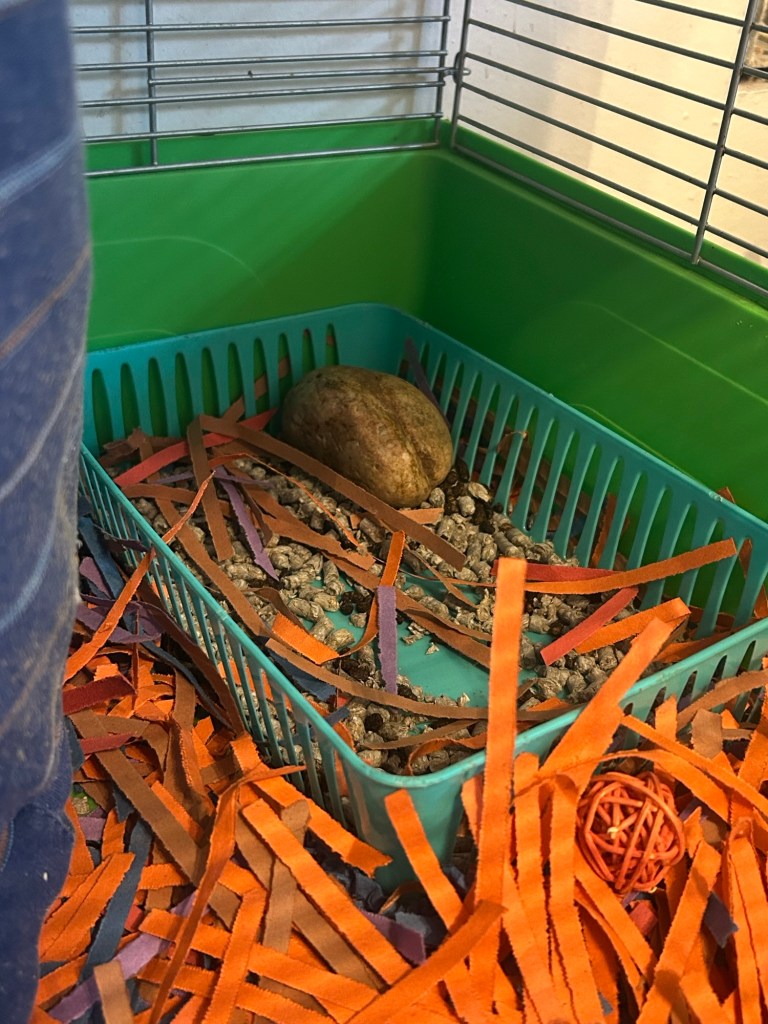
You can also get away with low containers found from the dollar store:
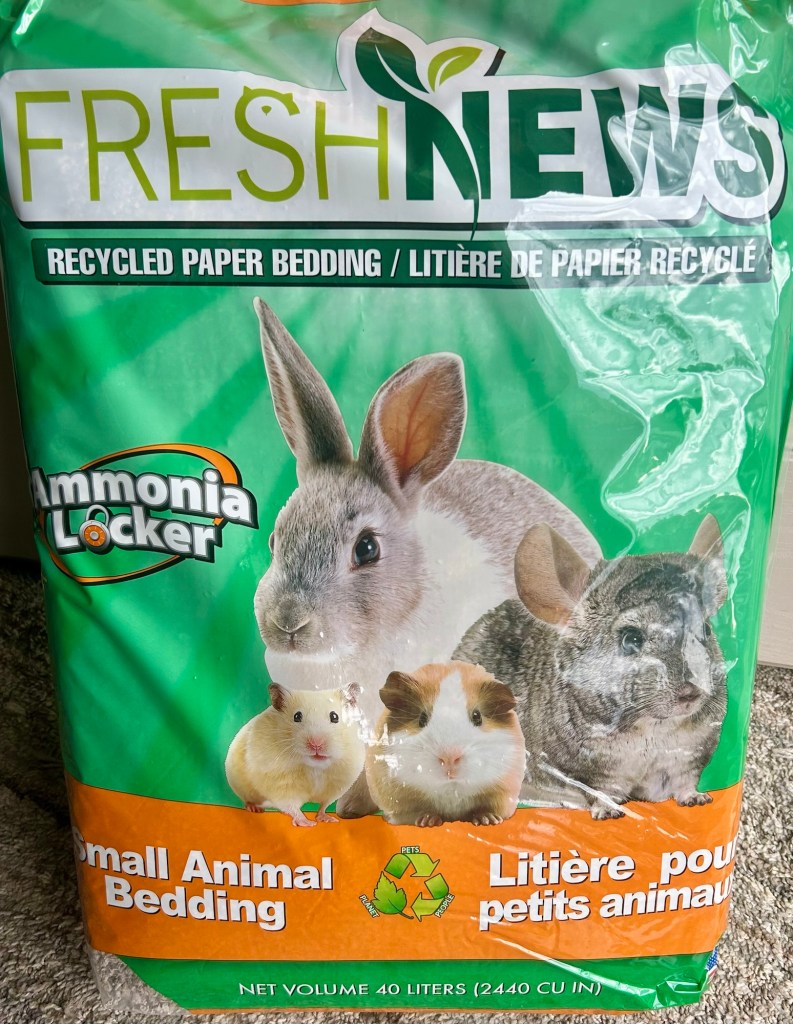
The best choice for litter is going to be: a recycled newspaper bedding. The rats love this and it works well.
When I say, the rats love this, I am referring to how immediate they will take to using this litter.
Your rats want to use the litter pan/box that you choose to fill with one of the following options…
Safe Litter Options:
- Recycled newspaper litter, Like Freshnews (mentioned above)
- Paper based ferret litter
- A bedding different from the one you are currently using.
- Hemp bedding (if you aren’t using it; same with aspen shavings – though I do not recommend wood chips around rats)
- Shredded paper or crinkled paper
- Hay / Alfalfa
Your new litter should be unscented, and non-clumping.
Avoid These Options:
– Do not use cat litter! As this can cause upper respiratory issues.
– Corn cob bedding
– Pine or Cedar shavings (don’t use these products ever)
Do not use clumping or scented litters. Refrain from using dyed litters.
Localizing the Issue
It’s now up to you and your rats to get the job done. Remembering that rats like to be clean, they prefer their litter boxes that way, too. Frequently changing the litter (and not the whole cage, thanks to litter boxes) will help your rat continue to use them.

If your rat starts using the litter box then stops suddenly, check the condition of the spots you have chosen (with them). If there is excess waste, they will choose new spots and it will become more sporadic.
What in the World are Pee Rocks?
As simply put, they are rocks you place strategically in your cage. Think of this rock as a communication hub. It’s important they’re smooth, so they can rub themselves across it safely. It should be mostly flat, and without edges. Make sure it’s safe as you pick out your pee rocks. If you have boys, it can be easier to mark where they will be urinating the most! I recommend 1-3 pee rocks depending on the size of your cage and gender. Make sure to add one to every litter box; just my opinion.

Learn more from our another post, What is a Rat Pee Rock?
Rats are Naturals
You really have nothing to worry about, besides keeping up with your new litter schedule. Keeping this area tidy and ready for them, along with some pee rocks, should be enough encouragement for immediate use.
Of course, it’s still new, so always give your rats a few days to adjust. And if they don’t take to it right away you can try:
- Moving some of their recent feces into the box to show them the appropriate spot
- Move the litter boxes to a more updated location



 The Rattery
Leave a comment