Parker went off to live with two of her girls. She will be missed dearly!
Pipsqueak x Poe
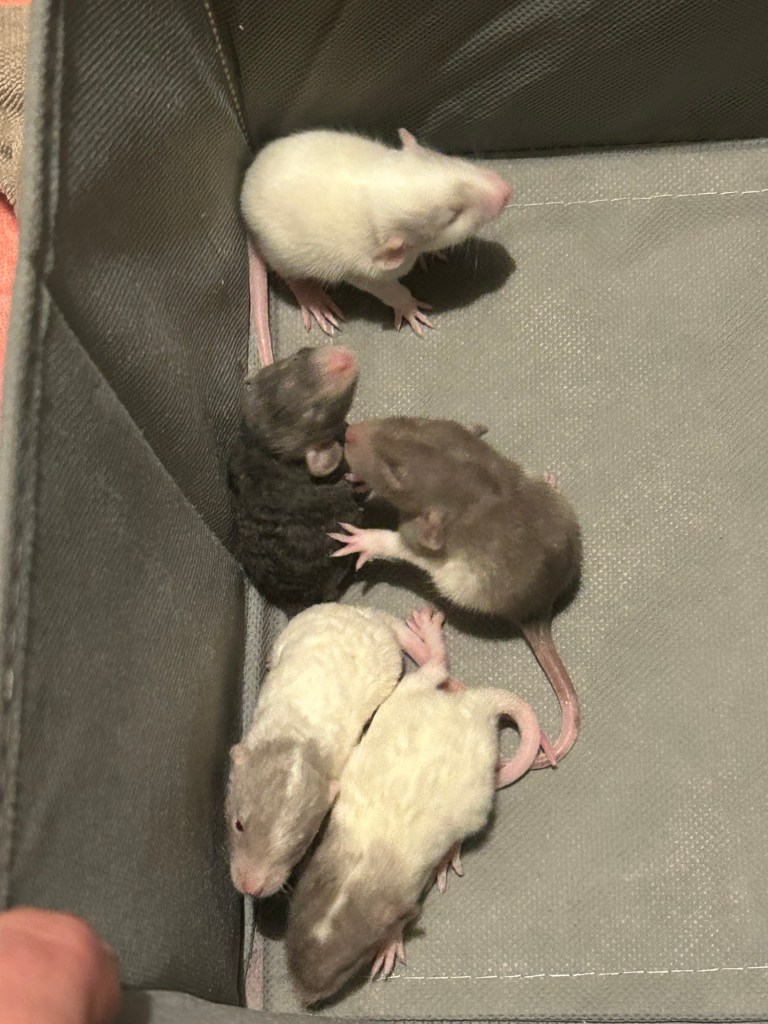
Pipsqueak’s babies left along side Parker’s babies in late January.
Pipsqueak, now retired, will be going off to live out her life with one of her baby girls. Thanks again Hannah for taking them both into your loving home!
Aurora x Humphrey
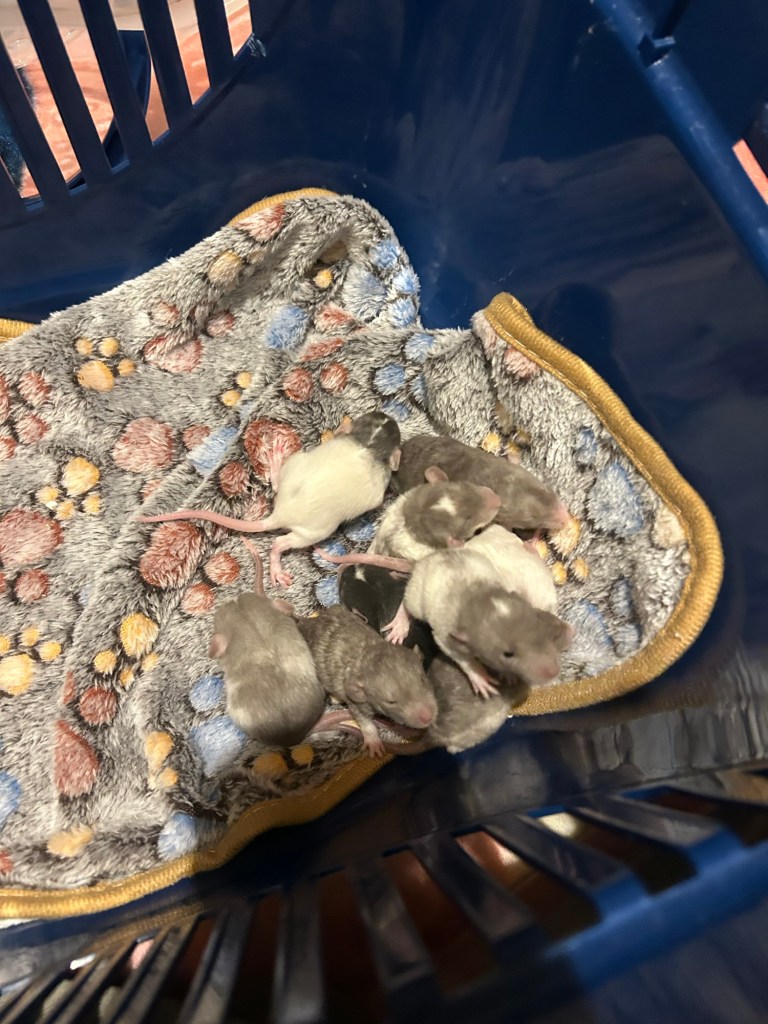
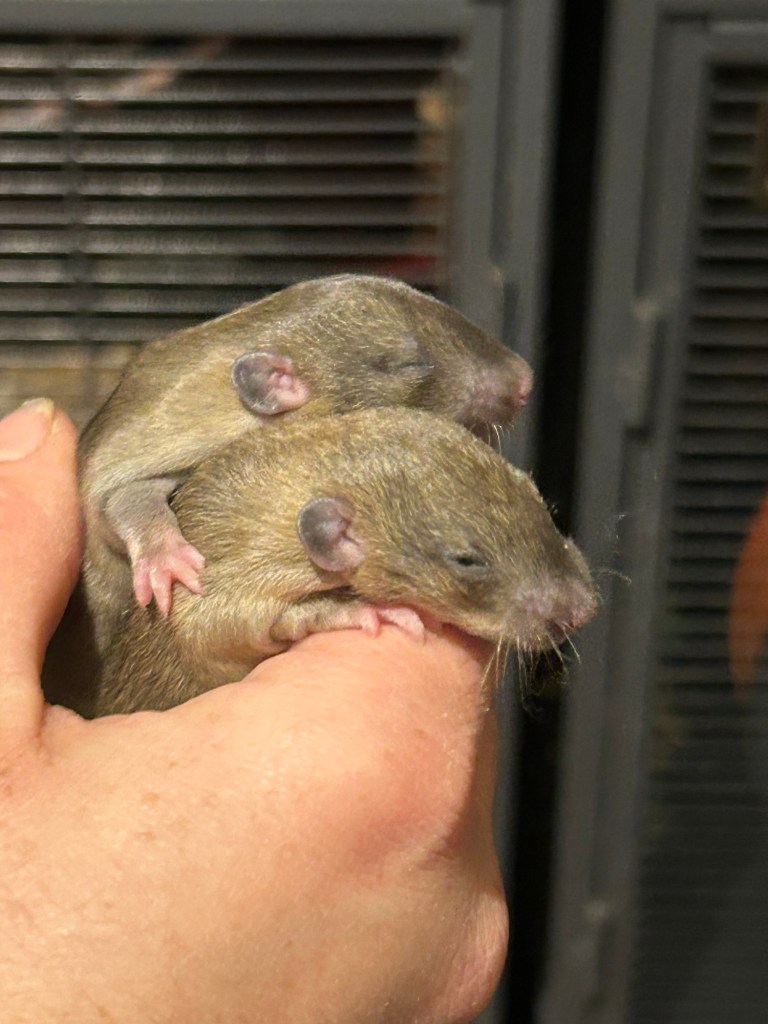
Aurora has been a wonderful mother to her offspring born on Christmas Day. Her offspring have been lively and curious, with a very sweet demeanor. This was a good mischief. They will be flying the coop February 5th.
Boys Girls
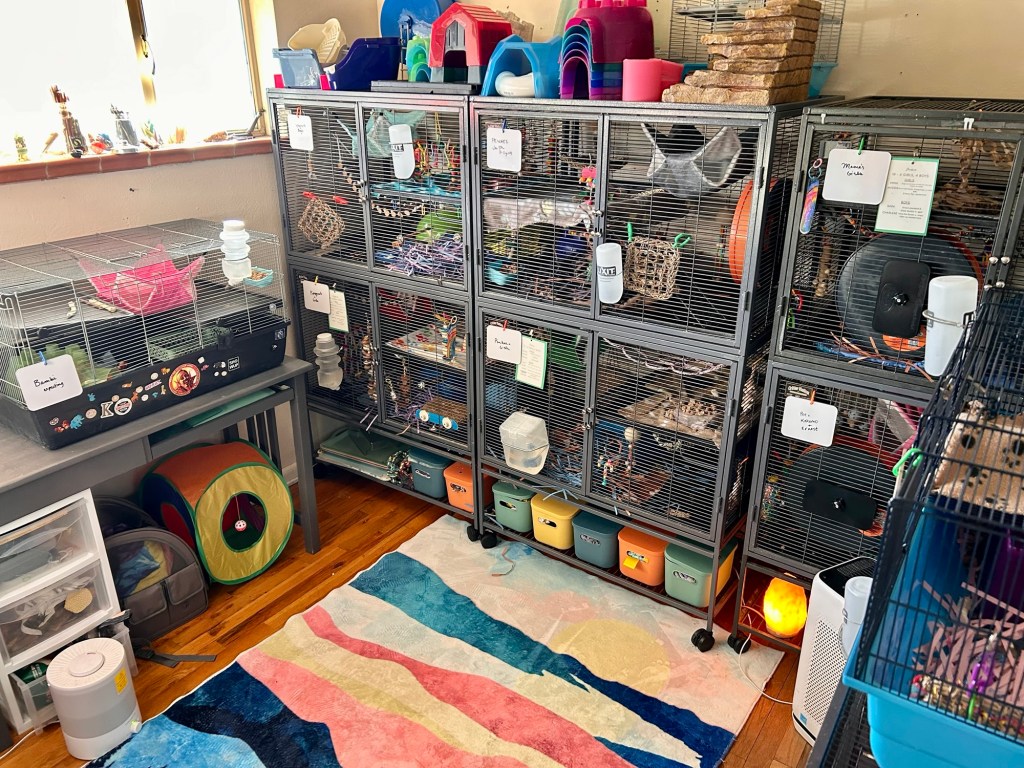
Bambi
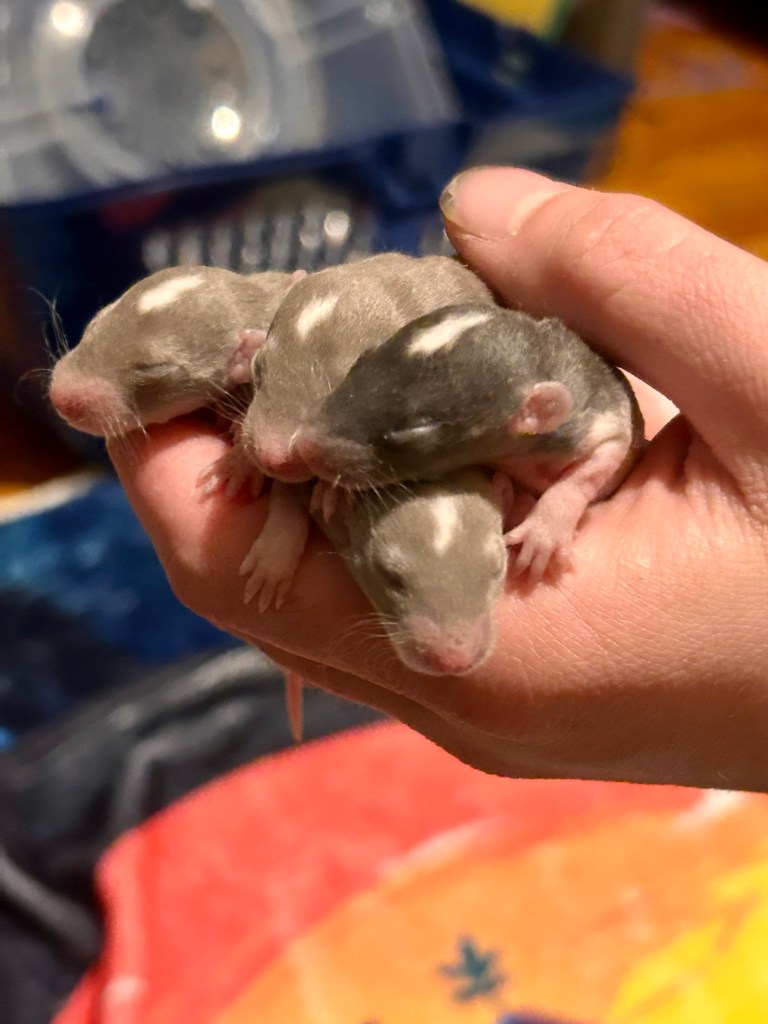
Joined the crew late in her pregnancy. She had her babies on January 24th.
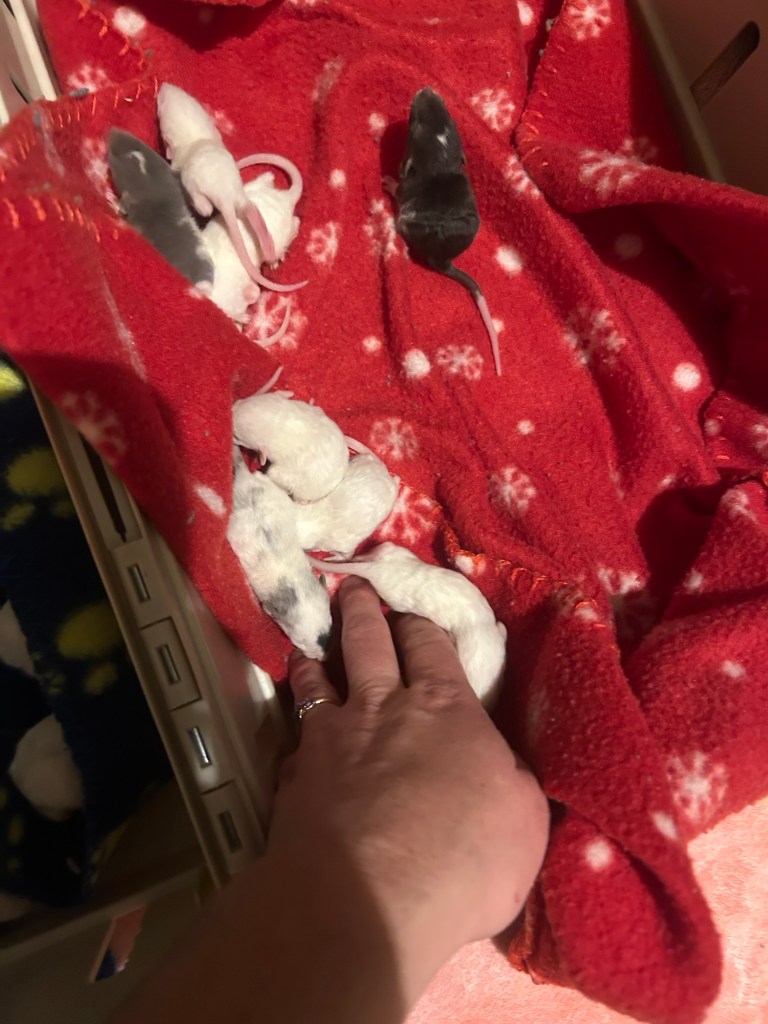
Seeing Bambi’s babies for the first time
Mama x ?
Mamas babies flew the coop January 24th.
Mistletoe x ?
Peaches x Kokomo
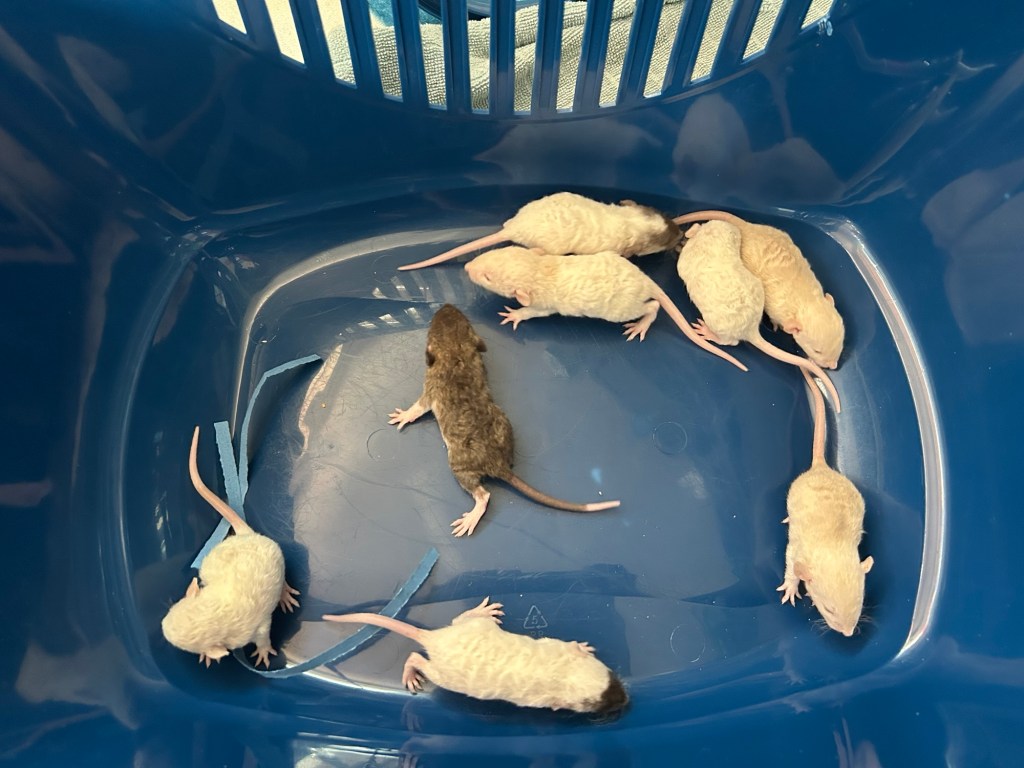
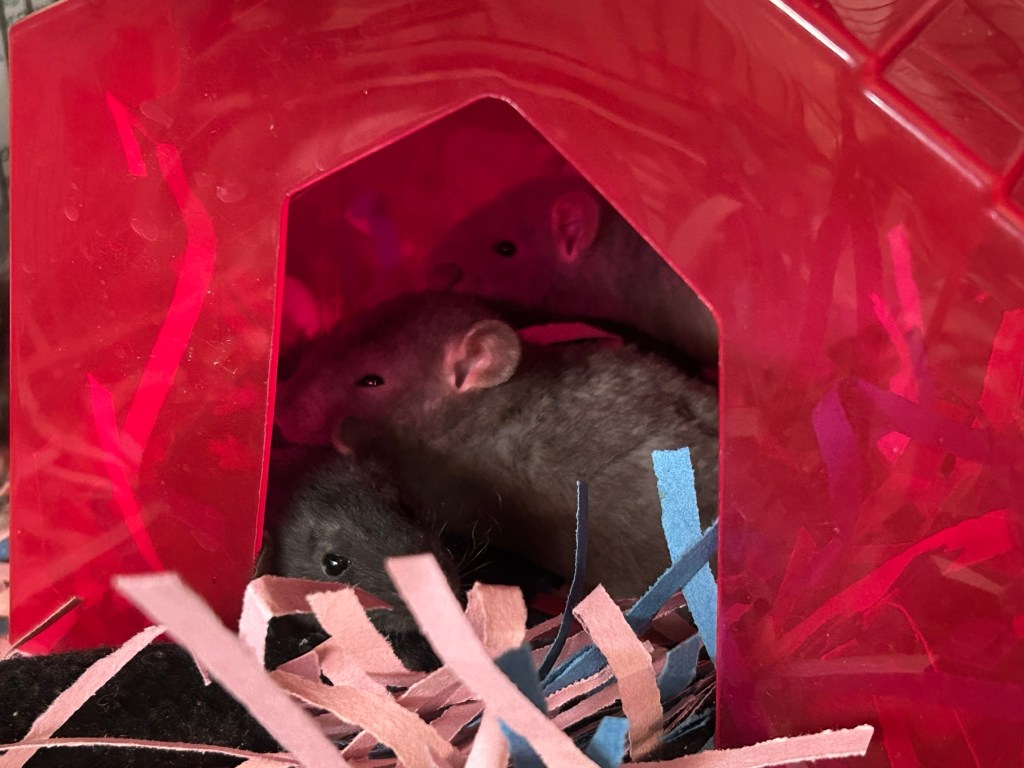
Peaches had just 3 babies. She has been very reclusive with them, and as a result of her nonstop nurturing she has some very chonky babies.
They really take after their dad, Kokomo
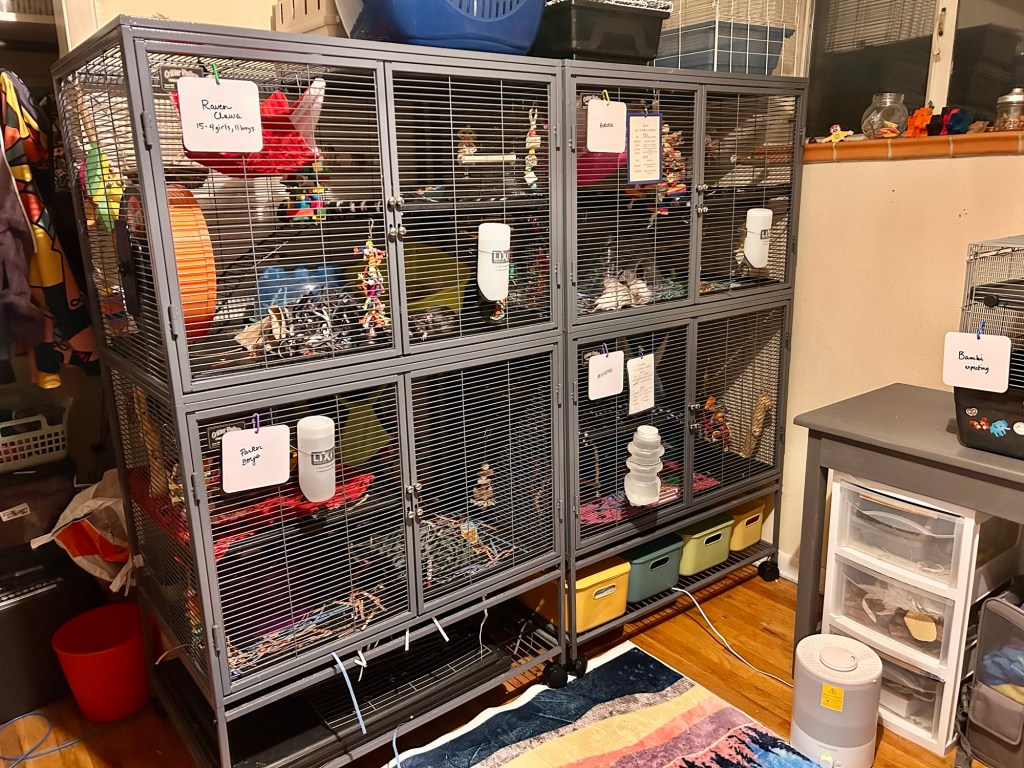
Raven Claws x Ernest
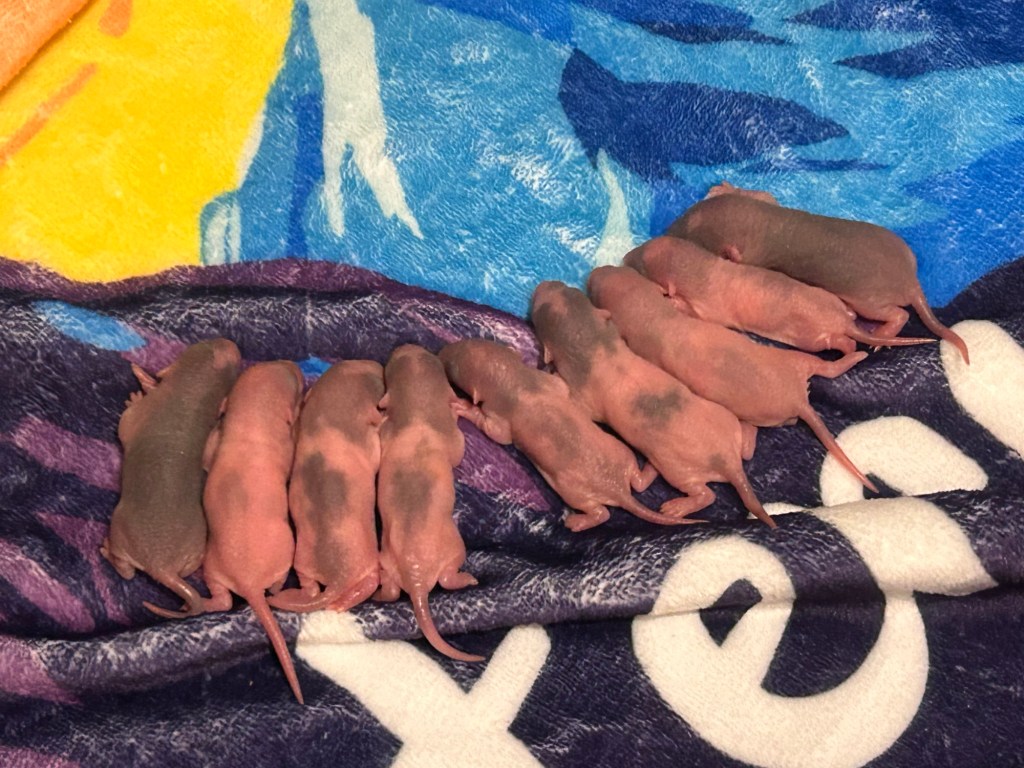
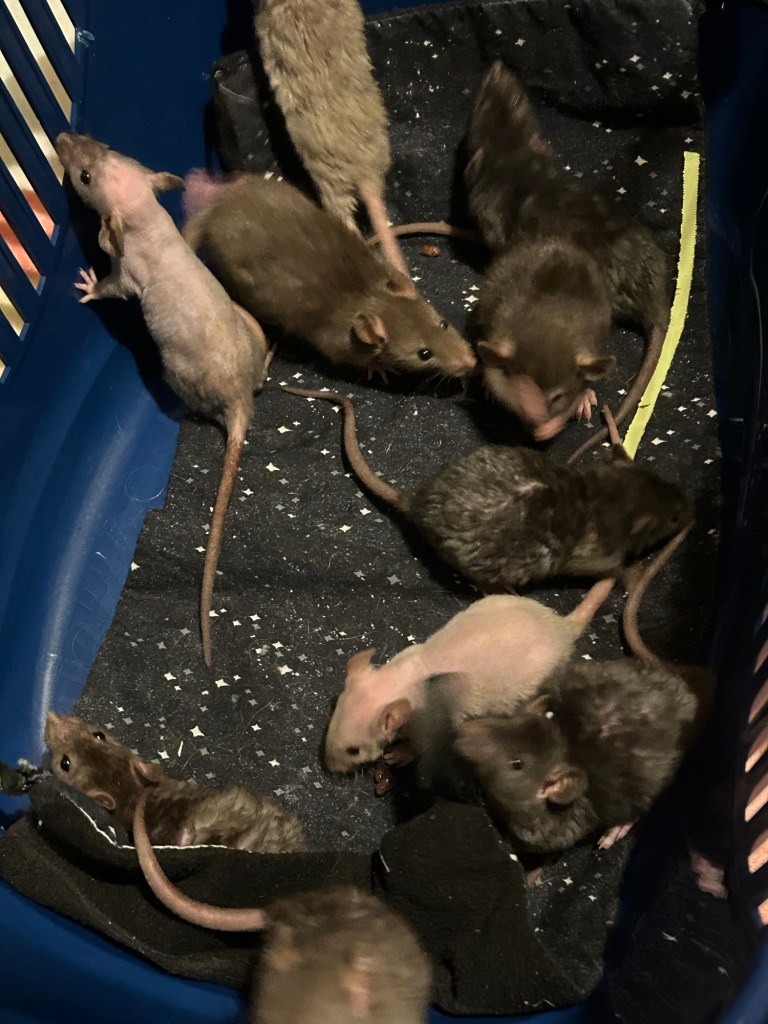
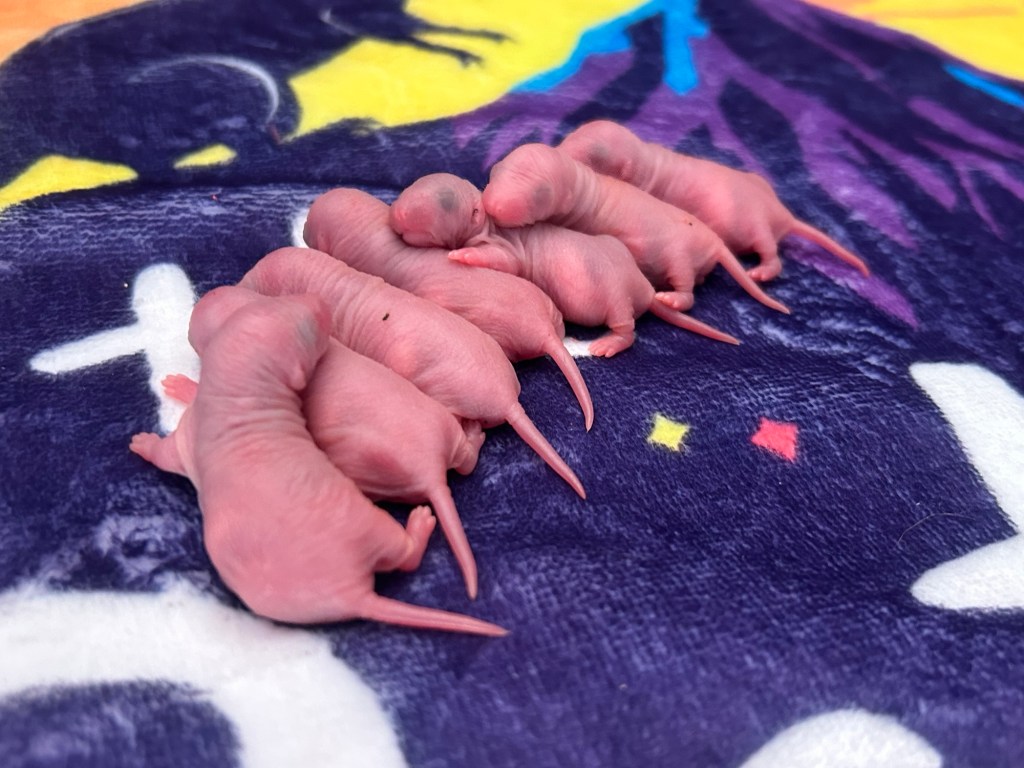
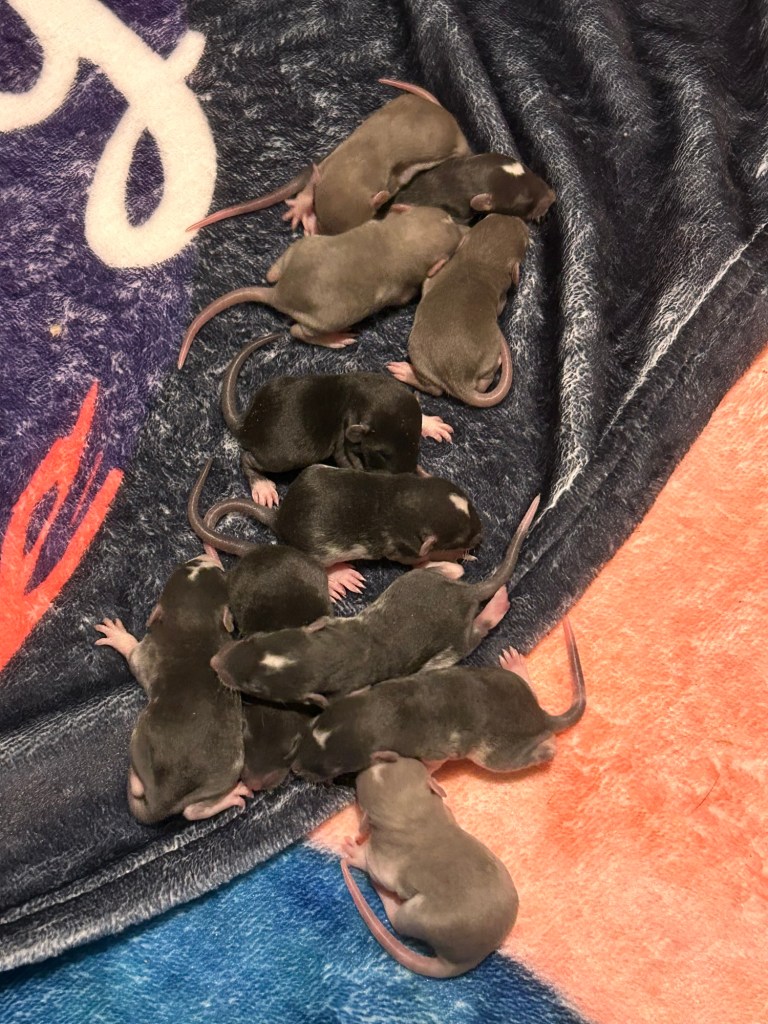
Her beautiful babies were born on the 14th of January. She had 11 boys and 4 girls. There are still open spots for boys.
You can always check out their profiles and such at adoptarat.com, too.
Why Rats Are Amazing Emotional Support Animals
Rats make wonderful emotional support animals. They provide love and attention, a sense of stability, and encourage positive routine. Though they may not live as long as a dog or a cat, there are still quite a few benefits for making a rat your ESA.
Provide Affection and Stability
Rats make excellent companions and are very adaptable to their situation. If you are a night owl, you will see your rats adjust to your schedule to enjoy your company.
Some rats give kisses, while most enjoy being pet or softly tickled. Regardless, your rat will share their curiosity for life with you.
And overall care is simple. Their basic routine includes feeding daily, frequent water changes, weekly deep cleans, and spot cleaning when necessary.
A clean rat cage and a happy rat can promote a positive sense-of-self and encourage you to keep a stable routine.
Easy to Handle
Rats are generally very easy to handle. You want to make sure you have them supported, but as long as you do, they’re happy to be held, to sit on your shoulder, or to walk up and down your arms. Rats, unlike hamsters or guinea pigs, tolerate being held a lot better and honestly enjoy it. And many rats seek out human relationships!
Shorter Life Spans
It may sound depressing, but most people looking for an emotional support animal have a variety of reasons for doing so, some suffering from mental health issues. Depression is one of them. Having to care for something that lives longer than four years can be a terrifying commitment for somebody with severe depression. However, having a companion that you can love and care for deeply for two to four years is a lot easier to sign up for.
Therapeutic
To touch, to pet, to gently nuzzle your face against. These little guys are usually quite soft, providing a sense of comfort.
Also, just the routine of caring for a rat can also be therapeutic. For example, building their cage can be engaging and exciting. Rats can house a lot of toys and hammocks and the more the merrier to a pet rat!
Less Hassle
When it comes to taking care of animals, certain pets require more intense care regiments, such as dogs who need to be walked and let out to go to the bathroom.
Rats, on the other hand, are secured safe in their cage; waiting for you, for your attention, your love, and to hopefully free roam for a little bit. Even when it comes down to moving, a lot of apartment buildings and rental properties don’t even recognize rats as pets and will allow them.
However, if you need certification and permission, ESA websites can provide you certification and a doctor’s letter for a reasonable fee. This letter is usually issued within a week.
There is even potential for a college student to house a pet rat with the proper certification and course of action.
You should not limit yourself based on your housing. You can always look into making a pet rat your ESA! You can read more about resources and options, here.
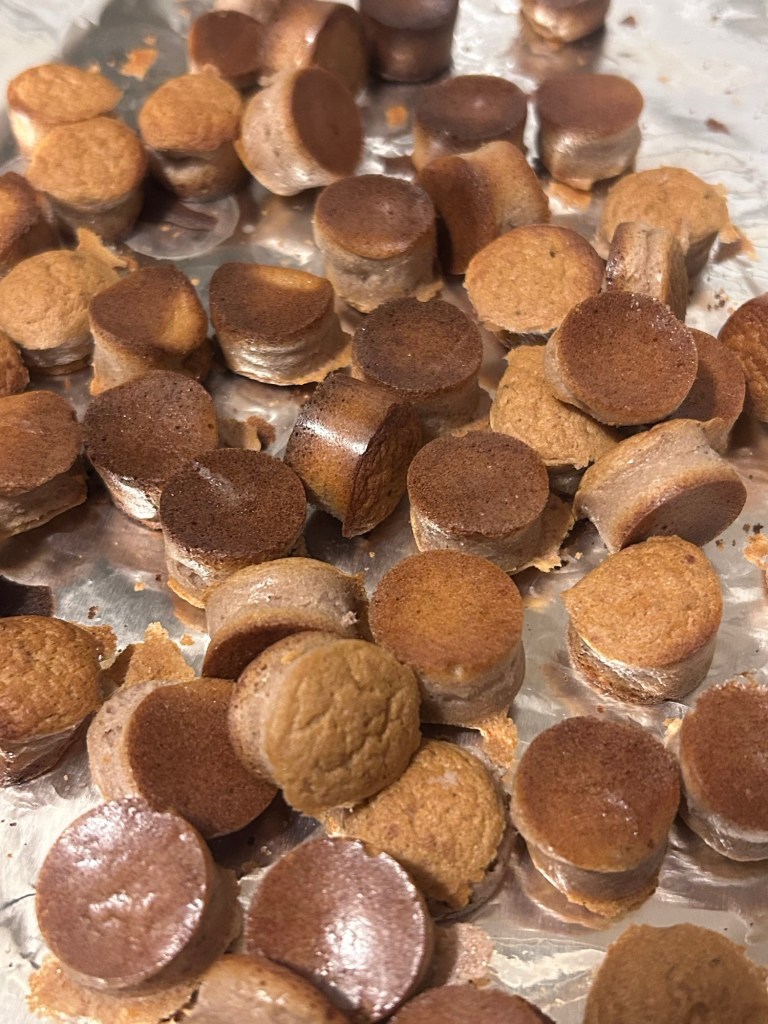
RECIPE: Strawberry and Banana Rat Treats
Supplies:
Food Processor
Whisk
Bowl
Heat Resistant Silicone Mold for Treats
Oven
Oven Mit
Dehydrator *optional
Ingredients:
6 Strawberries
1 Banana
2 Eggs
Sprinkle of Baking Powder
Dash of Olive Oil
4-5 TBS. Quinoa Flour
~ 3 TBS. Purified Water
Here is a link to the YouTube video with instructions on how to make these irresistible rat treats!:
A few months back, Emma adopted three boys from the Zoe x Eragon litter.
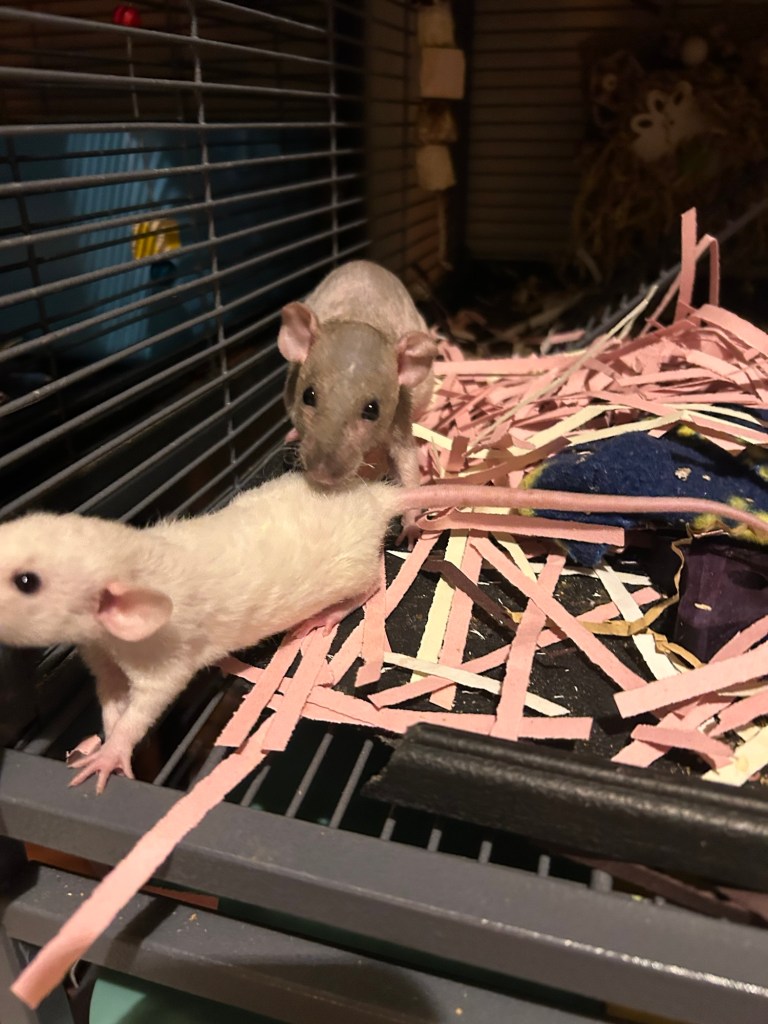
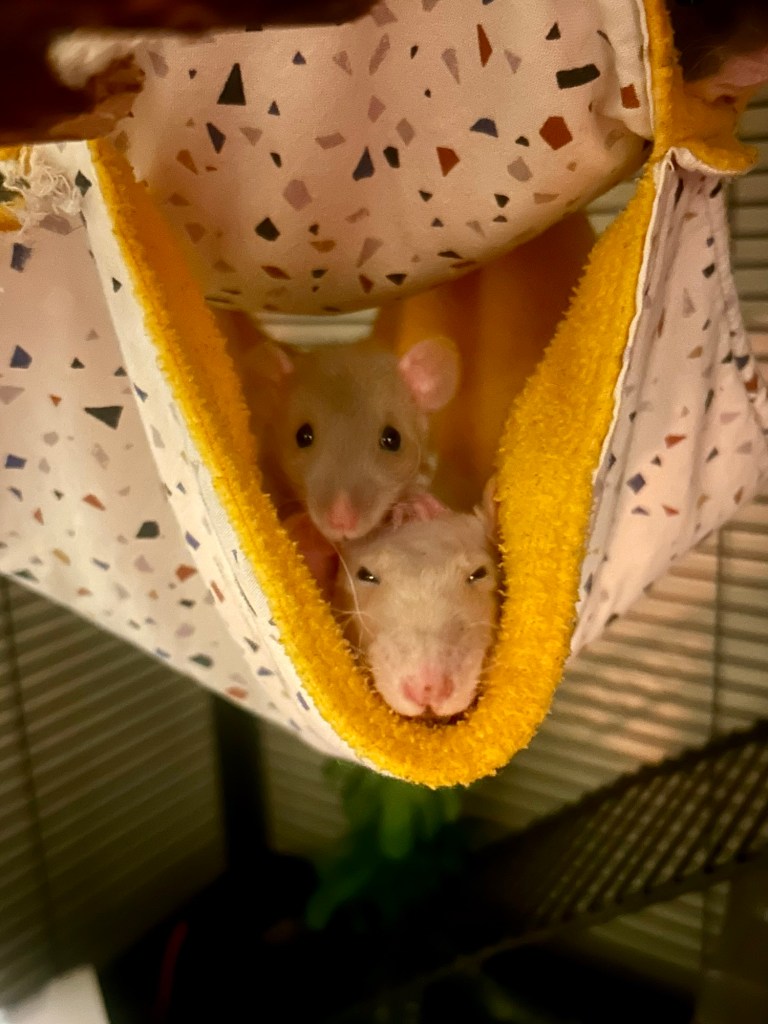
Meet Smokey, Whiskey, and Sprout. They have big hearts with lots of love to give. Their favorite activity is snuggling with their now older brother, Chili. These boys are just too cute for words!
Post Adoption Interview with Colby
Congrats on adopting your new boys! What were some last minute questions you had about taking them home?
We were really just concerned about how cold it was around here, but you cleared up all our worries about that.
How did you end up resolving the “cold” issue?
We just put some fabric in a little cube that they like to hide in.
What made you choose rats as your pets?
Frankly, even I don’t really know how I got infatuated with rats, but they are incredible and intelligent little creatures, and I love them so much.
What food and bedding do you choose to use?
We use Kaytee young rat food and generic paper bedding.
What did you name your rats? Which one is which?
Grey face one is Apollo, and black dot one is Rocky.
How would you describe their personality types?
Rocky is definitely more eager to be handled and cuddled, and Apollo likes to nap and snuggle with his brother.
Are they adapting to their new life well?
Yes, they are doing great! They seem to love their new home, and our dogs haven’t caused any problems.
What types of enrichment do you give/ plan to provide? Anything homemade?
I have a 3d printer at home, so I intend to make them some fun things, along with using the toys that I got from your package.
Oh that’s cool! Just curious, what does your free roam time look like?
We have set up a big playpen for them, so we put some fabric for hides, and are hoping to start putting more enrichment items in there. I have a little beanbag chair in there so I can monitor them, and we let them out for about 30 minutes in the morning and evening.
You mentioned to me that your continued litter training is going well? Could you provide some details along with what you’re using as litter?
Actually, they just sorta started using it on their own. It’s not perfect, but they use it more than the rest of the cage. And full cheeks litter and bedding.
Do you use a pee rock?
We have one, I just haven’t used it yet.
Well thank you for your time is their anything you’d like to add about your new rats?
They are so lovely and everyone I’ve shown them to loves them. Thank you so much for the boys!
You’re awesome, pleasure meeting you and I know they are in the right hands. Take care of yourselves!
Breeding Rex Rats
The Rex gene is a particular one. Keeping this as genuine and simple as possible: the Rex gene affects the coat of the rat. Most fancy rats, or rats we keep as pets, often have a standard coat. Some rats though are identified with having Satin coats, Harley coats, Double Rex coats, etc.
The Rex gene typically turns a standard coat into a fluffier, wavier coat. An identifier of this gene would be curly whiskers (as opposed to straight which is common).
When it comes to breeding Rex rats, it’s important to know it is a dominant trait. Remember learning about punnet squares in biology? Well, those are useful for figuring out just what type of rat babies you are going to end up with when breeding Rex rats.
How do you get a Rex rat? Well, you need to breed at least one already Rex rat. If you breed a Rex to a standard coat, your outcome is 50% standard and 50% Rex babies.
If you breed a Rex to a Rex rat: the outcome is a 25% chance of standard and double Rex and 50% chance of Rex.
What is a double Rex? Technically speaking, a double Rex can also be referred to as a hairless or “patchwork rat.” They often experience great deals of hair loss, no hair growth, some hair growth in patches, or be mostly bald. These are double Rex rats. I like to think of them as carrying too much of the Rex gene and it because it was too much they just couldn’t handle it so their hair falls out.
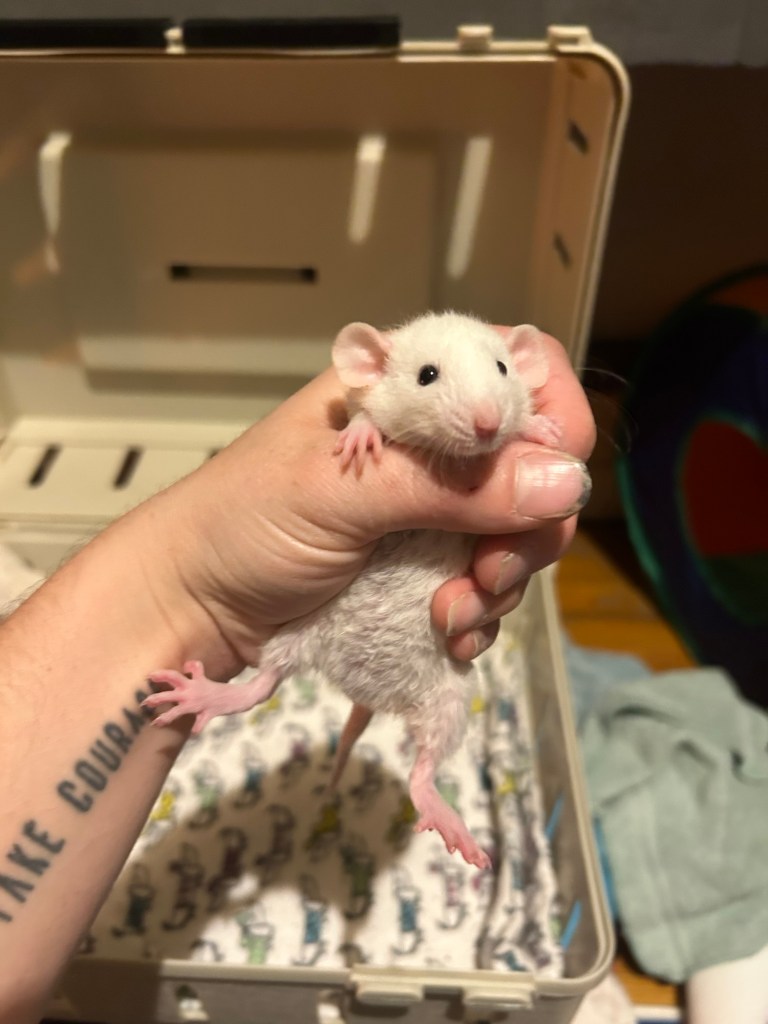
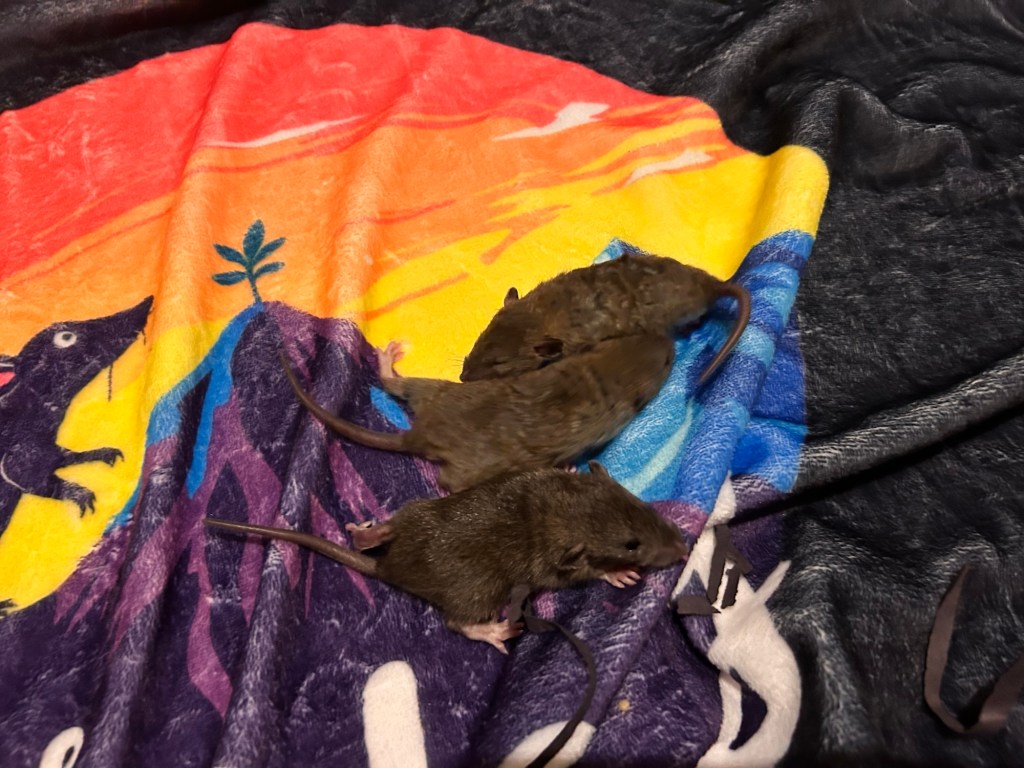
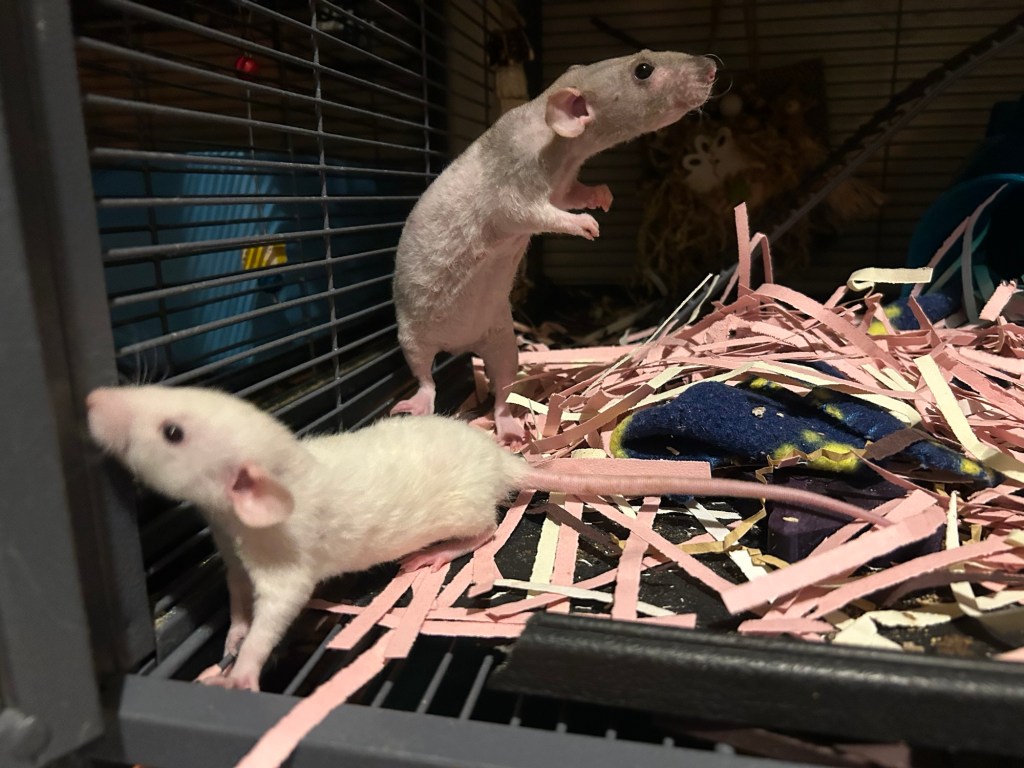
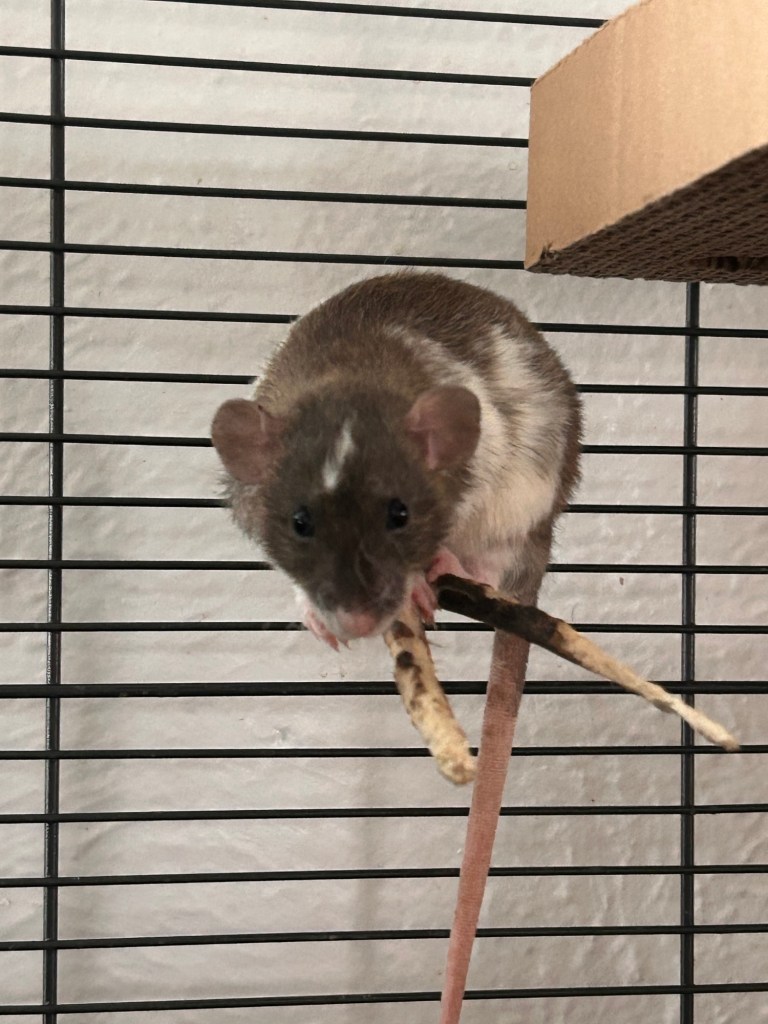
Parker behind a baby
If you breed a double Rex to a standard coat: you will get all Rex babies. It’s pretty miraculous. So just like Parker (double Rex) and Poe’s (standard coat) babies who are all Rex.
If you breed a double Rex to a Rex:
50% Rex and 50% double Rex.
If you breed a double Rex to a double Rex: you will get 100% double Rex.
So, if you’re looking to start breeding Rex rats, the best thing you could do for yourself is to find a double Rex stud. This way every outcome is Rex, including standard coat rats. Of course, having a few regular Rex studs is also important. Since breeding double Rex or hairless can be “taboo.” This is also why I recommended the stud being a double Rex.
It’s not encouraged because double Rex females have a harder time lactating and keeping up with large litters. The babes can also struggle with proper nipple attachment. There is also the risk of scratches hurting the mother’s frail skin.
So while the hairless, or double Rex gene, may be cute. It’s something breeders should use caution about. And that’s why you should use a double Rex male if you plan to breed.
FEATURED CAGE OF THE MONTH
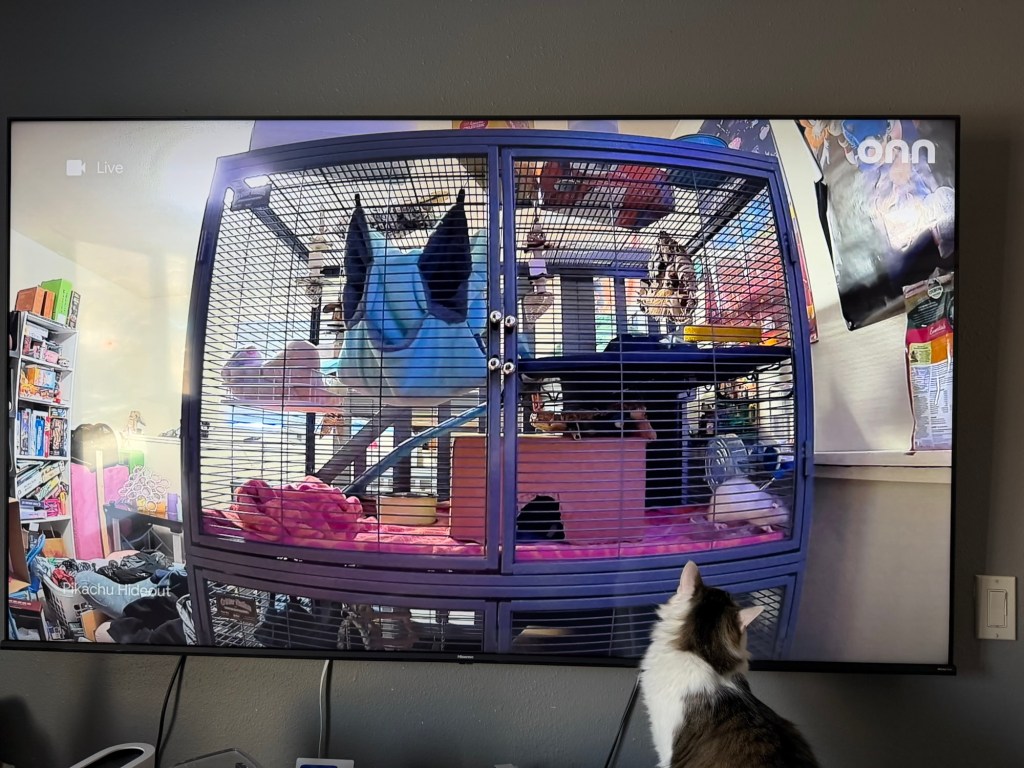
This month we are featuring Kim’s rat setup! filled with lots of fun hideaways and enrichment opportunities.
It’s neat to see the cage on the big screen! And her cat certainly thinks so, too. Thanks, Kim! We hope Pika and Chu are doing great.
<if you wish to be featured in our newsletter, send a photo of your rat or cage to support@rattery.org>
Please reach out to submit articles, artwork, and more to be featured and accredited to you in our monthly newsletters!


 The Rattery
Leave a comment